
Last updated Jul 2026 · 12 min read
Rome is a city you walk until your feet give out. What the guidebooks rarely tell you is how much of the pleasure lives in the green spaces between the monuments: the umbrella pines, the gravel avenues, the benches where Romans go to do nothing at all. The parks are not a consolation prize for a rainy afternoon. They are where the city exhales, and if you build them into your days at the right hour, they change the whole rhythm of a trip.
This is a local's list, ordered roughly from the most central and famous to the quiet residential parks most visitors never reach. For each one you get what it actually is, what to do there, the best time to go, how long to allow, and where it slots into a Rome itinerary. If you would rather we route the green space into your days for you, that is exactly what our itineraries do.
The parks at a glance
| Park | Best for | Best time | Allow | Nearest anchor |
|---|---|---|---|---|
| Villa Borghese | First-timers, gallery, sunset | Morning or late afternoon | 2–3 hrs | Spanish Steps, Piazza del Popolo |
| Villa Doria Pamphilj | Picnics, running, slow Sundays | Sunday morning | 1.5–2 hrs | Trastevere, Monteverde |
| Aventine & Orange Garden | The view, golden hour | Late afternoon | 45–60 min | Circus Maximus, Testaccio |
| Gianicolo (Janiculum) | Panorama, noon cannon | Early morning or sunset | 45–60 min | Trastevere |
| Botanical Garden | Shade, rainy days, families | Any time, good midday | 1–1.5 hrs | Trastevere |
| Parco del Colle Oppio | Colosseum view, decompression | Right after the Colosseum | 30–45 min | Colosseum, Monti |
| Villa Ada | Locals, lake, summer concerts | Morning or summer evening | 1–2 hrs | Parioli, Salario |
| Villa Torlonia | Art Nouveau, quiet culture | Pair with the museums | 1–1.5 hrs | Via Nomentana |
Villa Borghese
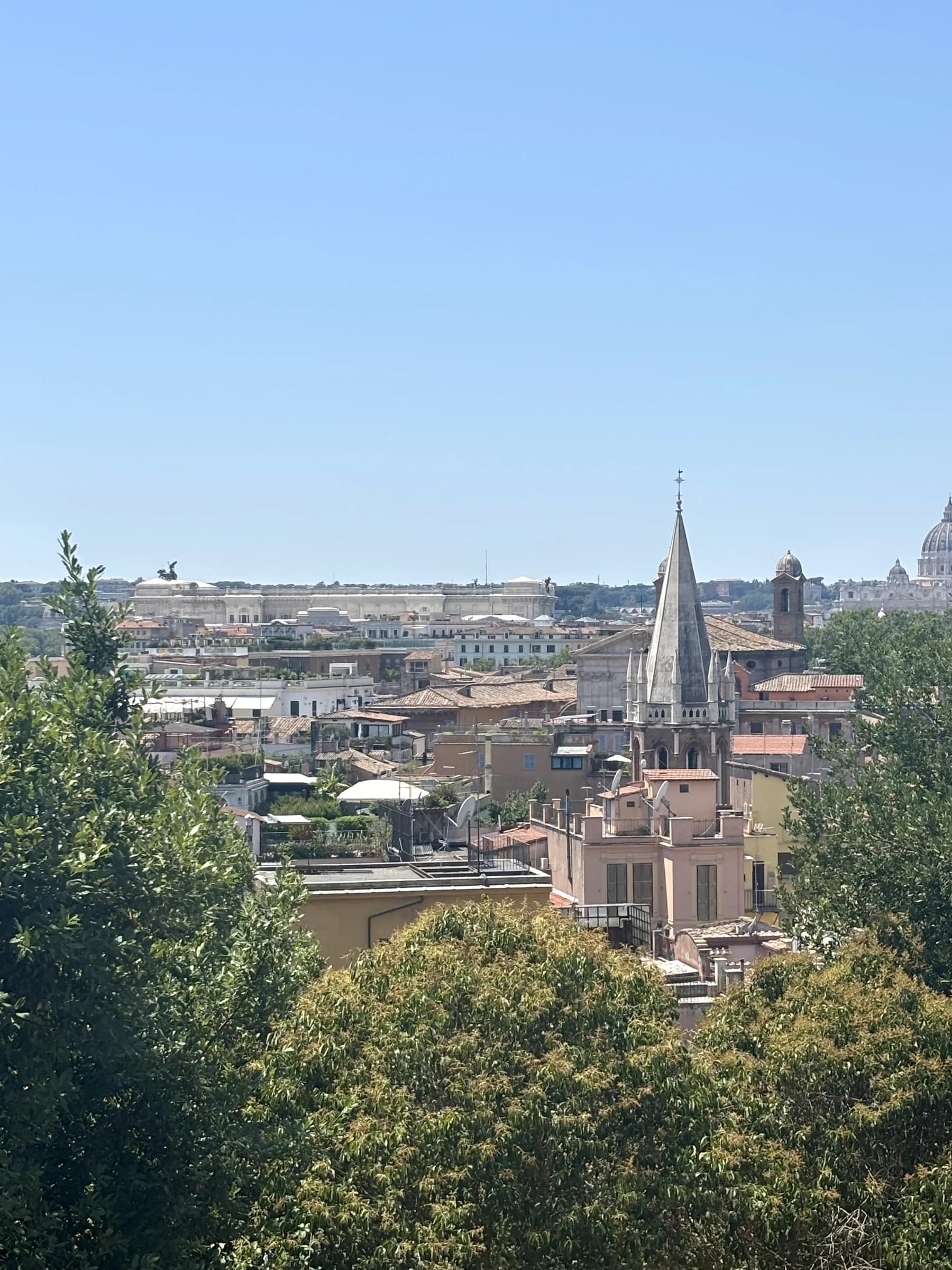
The one everyone means when they say park in Rome. Villa Borghese sits on the high ground above Piazza di Spagna and Piazza del Popolo, a landscaped estate of gravel paths, fountains, and pine shade that you can walk into straight from the top of the Spanish Steps. It is the easiest green space to reach and the best one to build a morning around.
The Pincio terrace is the postcard: a balustrade looking down over Piazza del Popolo with the dome of St Peter's beyond, and it is one of the classic places to watch the sun go down. Deeper into the park, the Giardino del Lago has a small ornamental lake with a temple on an island, where you can rent a rowing boat for half an hour. There is a zoo, the Bioparco, for families, bikes and electric carts for hire, and open-air theatre and cinema in summer.
The reason to plan ahead is the Galleria Borghese, tucked in the gardens: Bernini and Caravaggio in a compact, strictly timed collection that sells out well in advance. If you want it, book it the moment your dates are set, the same way you would the Vatican.
Galleria Borghese tickets
PartnerBernini and Caravaggio in a strictly timed collection. Book well ahead.
Best time: mid-morning for the gardens, or late afternoon into sunset for the Pincio terrace.
How long: two to three hours for the park, half a day if you add the gallery.
Fits your day: a natural morning before the Spanish Steps, or the calm end to a day that started at the Vatican.
Villa Doria Pamphilj
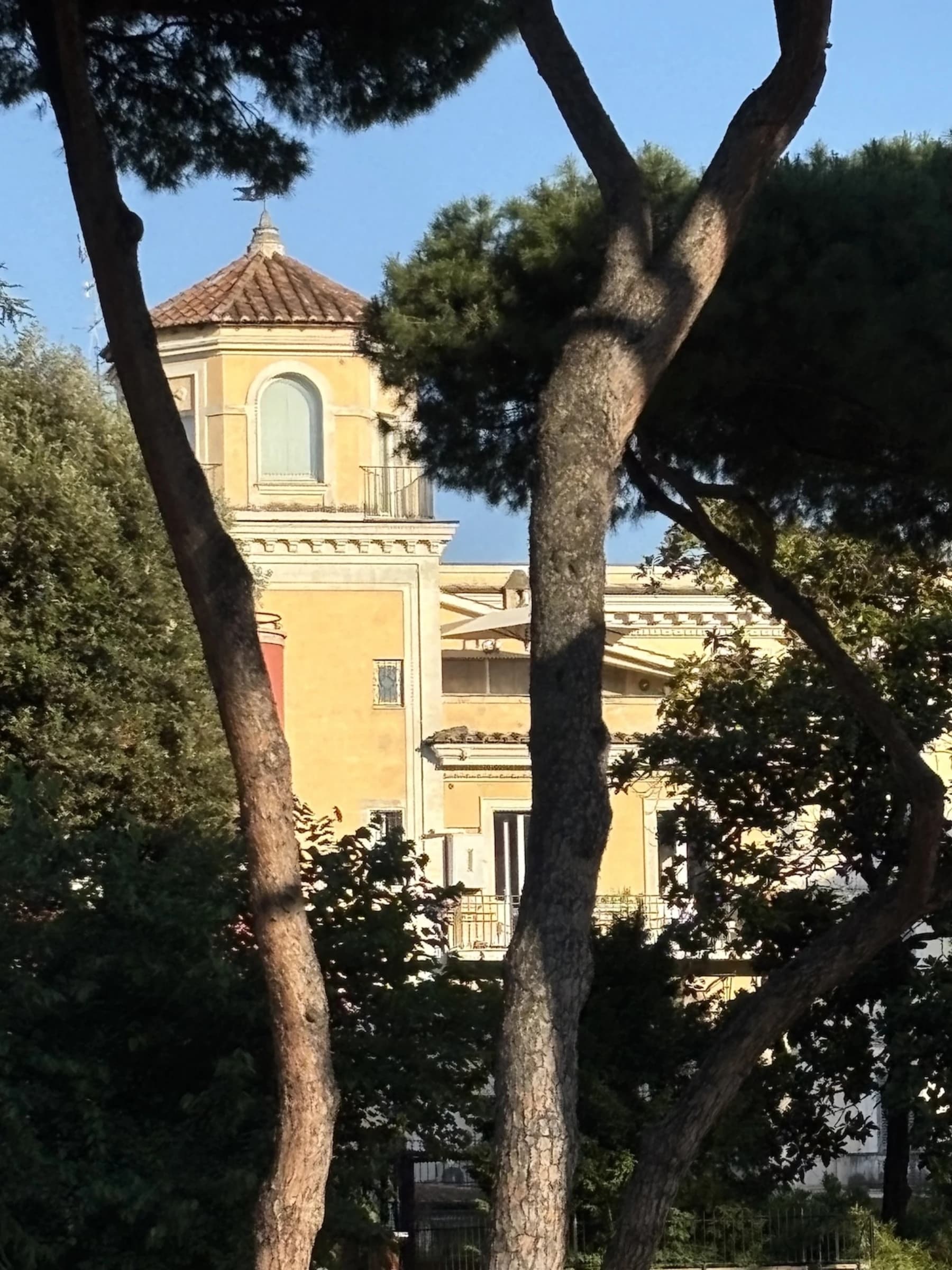
The largest landscaped park in Rome, and the one Romans actually use. Pamphilj spreads across the hill above Trastevere in Monteverde, and on a Sunday morning it belongs entirely to the locals: runners on the pine avenues, families with folding chairs, couples walking dogs, children on bikes. There are almost no tourists, which is precisely the point.
At its heart is the Casino del Bel Respiro, a seventeenth-century villa with a formal Italian garden that you can admire from the outside. Around it there are wide lawns for lying down, a small lake with turtles and ducks, and enough space that even on a busy weekend it never feels crowded. This is a picnic park. Buy your supplies on the way in and give yourself nowhere to be.
Best time: Sunday morning, when the city slows down and the park fills with Romans.
How long: an hour and a half for a loop, longer if you settle in for a picnic.
Fits your day: the perfect slow morning, and a natural pairing with a Sunday in Rome or an afternoon in Trastevere.
The Aventine and the Orange Garden
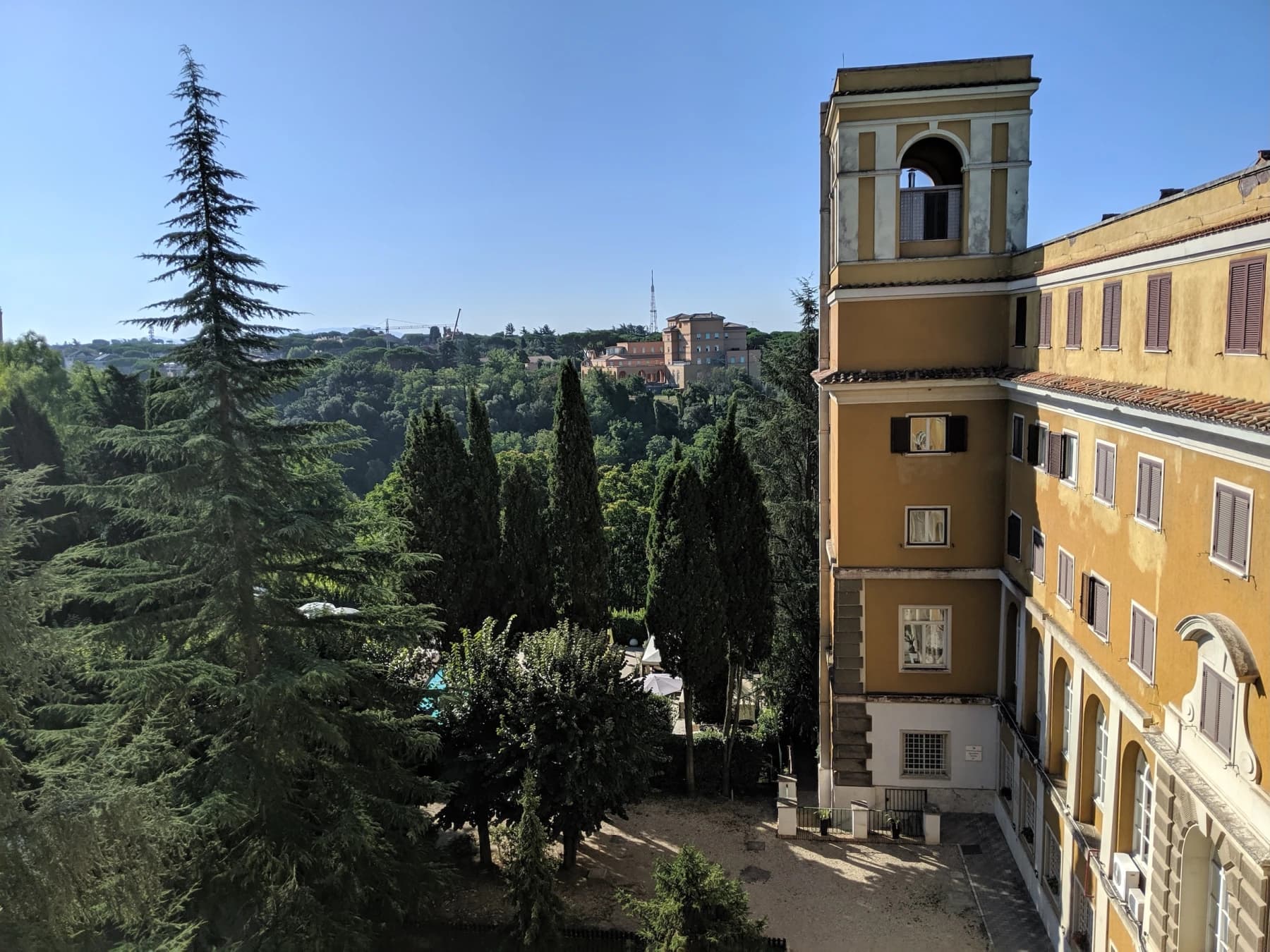
The Aventine is the quiet, leafy hill above the Circus Maximus, and it holds two of the best small pleasures in the city. The first is the Giardino degli Aranci, the Orange Garden, a walled terrace of bitter orange trees with a balustrade that opens onto the Tiber and the rooftops running west to the dome of St Peter's. Come in the late afternoon, when the light turns gold and the crowds are thinner than at the more famous viewpoints.
A few steps away is the Aventine Keyhole, the door of the Priory of the Knights of Malta. Put your eye to the keyhole and the dome of St Peter's sits perfectly framed at the end of a hedged avenue. It is a small, slightly absurd delight, and there is often a short queue of people waiting to look. Below the hill, toward the Circus Maximus, the municipal rose garden, the Roseto Comunale, opens in bloom in roughly April to June and is worth timing a spring trip around.
Best time: late afternoon for the light. Spring for the roses.
How long: forty-five minutes to an hour for the garden, the keyhole, and the church of Santa Sabina next door.
Fits your day: golden hour before dinner, easily paired with the Circus Maximus or an evening in Testaccio.
The Gianicolo (Janiculum Hill)
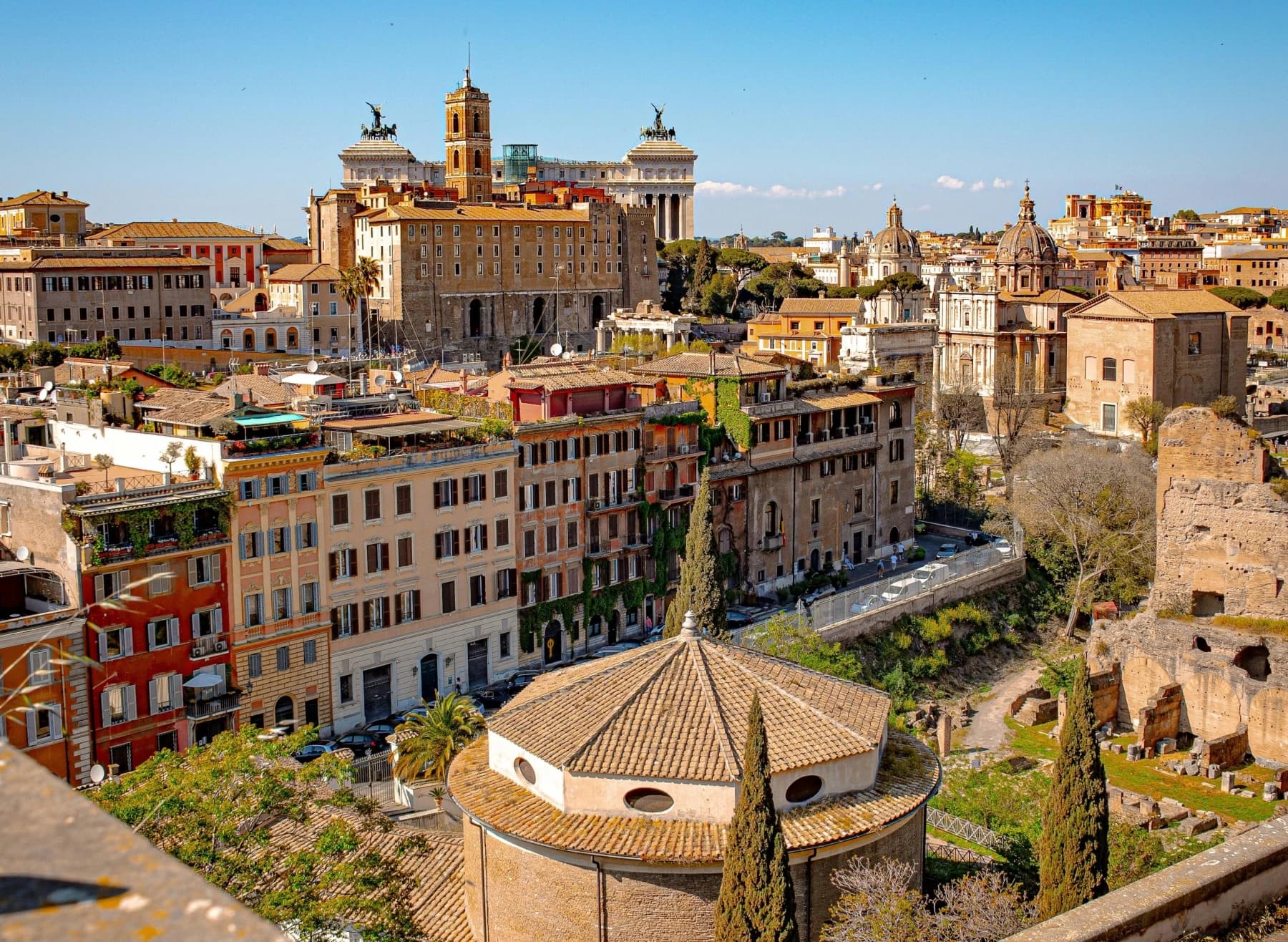
The Gianicolo is not one of Rome's seven hills, and it has the best view of all of them. The terrace at Piazzale Garibaldi lays the whole historic center out in front of you, dome after dome, all the way to the hills beyond. It is a short, steep climb up from Trastevere and worth every step, either first thing in the morning when it is quiet or at sunset when half of Rome seems to be up there with a gelato.
A local ritual worth catching: every day at noon a cannon is fired from the hillside below the terrace, a tradition kept up since the nineteenth century to set the city's clocks. Along the ridge you will find the Garibaldi monument, rows of Risorgimento busts, and, a little further along, the Fontana dell'Acqua Paola, the great baroque fountain that opens The Great Beauty. On weekends there are often traditional puppet shows for children.
Best time: early morning for calm, just before noon for the cannon, or sunset for the light.
How long: forty-five minutes to an hour along the terrace.
Fits your day: the climb up from Trastevere, ideally ending here at golden hour before dinner down in the neighborhood.
The Botanical Garden (Orto Botanico)
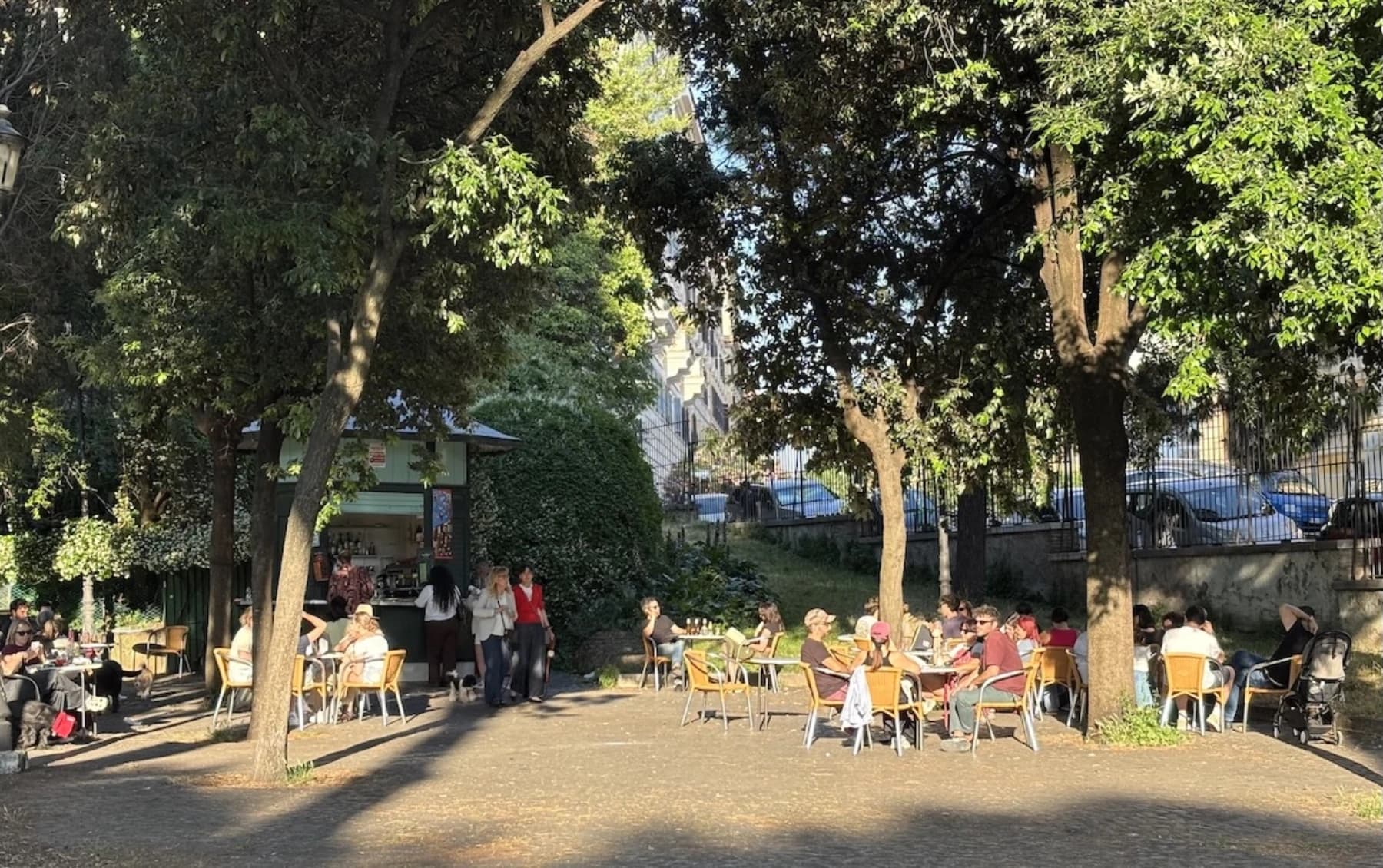
Tucked behind Trastevere at the foot of the Gianicolo, the Orto Botanico is Rome's most underrated green space. It belongs to the Sapienza university and climbs the hillside in a series of collections: an avenue of towering palms, a bamboo grove you can walk through, a Japanese garden, a rose garden, greenhouses, and a monumental staircase with a fountain. After the noise of the centro storico it feels like a held breath.
Unlike the others, this one has a small entry fee, and it is worth it. Because it is walled and shaded it is one of the best places to go on a very hot day, and a decent option when the weather turns. It usually closes on Mondays, so check the current hours before you plan around it.
Best time: any time it is open. Good shade in the heat of the day.
How long: an hour to an hour and a half among the collections.
Fits your day: an easy add-on to a Trastevere afternoon, and a good one for families or a day with kids.
Parco del Colle Oppio (by the Colosseum)
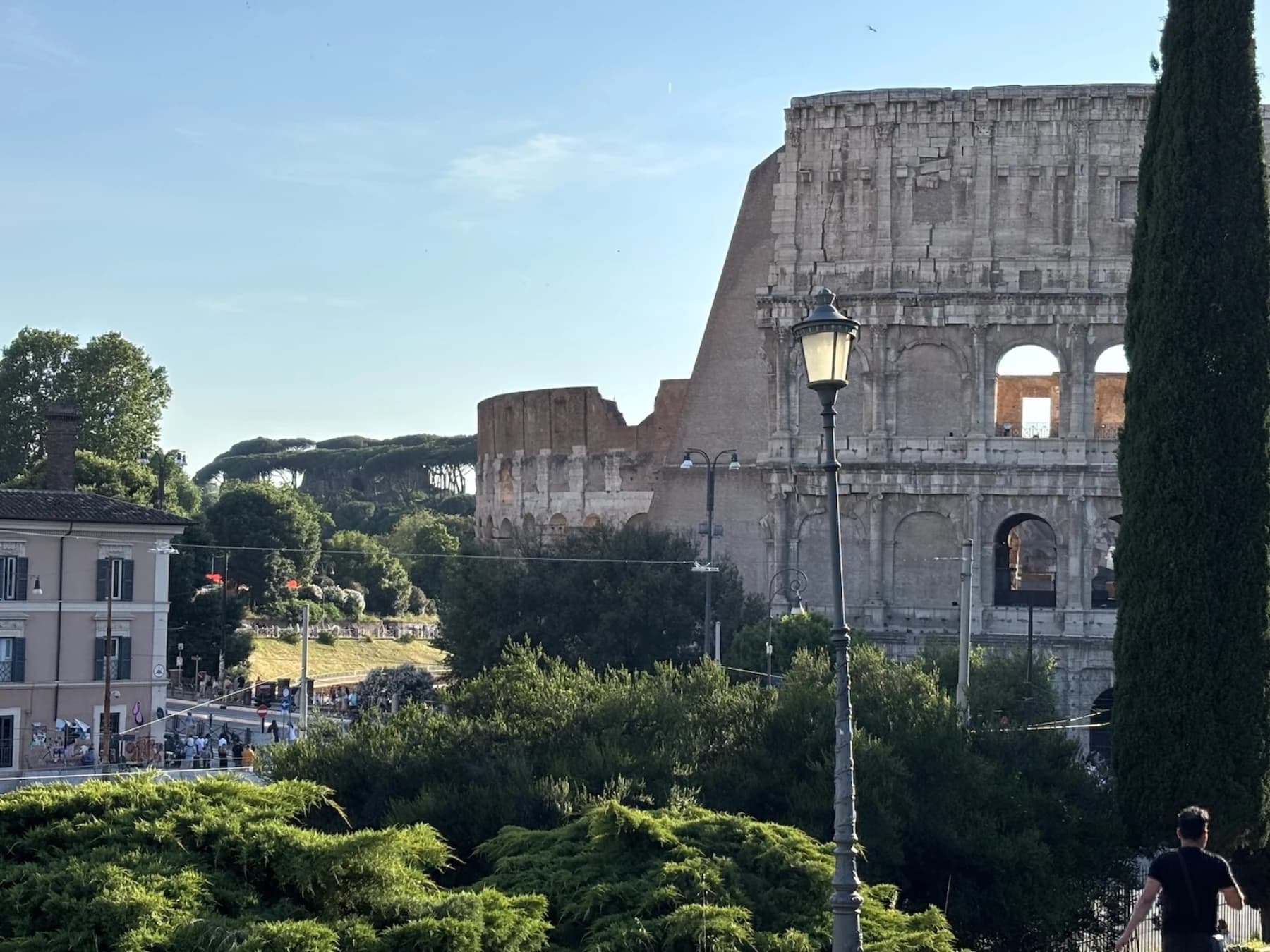
The green space almost nobody plans for and everybody should. The Parco del Colle Oppio sits on the Oppian Hill directly across from the Colosseum, and it hands you the best elevated view of the amphitheatre and the Arch of Constantine there is, framed by umbrella pines. When you come out of the Colosseum and the crowd is pressing in, this is the exit valve: a five-minute walk up the slope and suddenly you have space, shade, and the whole thing laid out below you.
An honest note: parts of the park are a little rough around the edges, and it is not manicured the way Villa Borghese is. Come for the view and the breathing room rather than polish. Beneath your feet lie the ruins of the Baths of Trajan, and at the edge of the park is the entrance to the Domus Aurea, Nero's vast buried Golden House, which you can visit on a booked guided tour, usually at weekends.
Best time: straight after your Colosseum visit, in morning or late-afternoon light.
How long: thirty to forty-five minutes for the view and a rest.
Fits your day: built straight into your ancient Rome day as the decompression after the Colosseum and Forum.
Skip-the-line Colosseum tickets
PartnerTimed entry with the Roman Forum and Palatine Hill included. Walk up to Colle Oppio afterwards.
From €20
Villa Ada
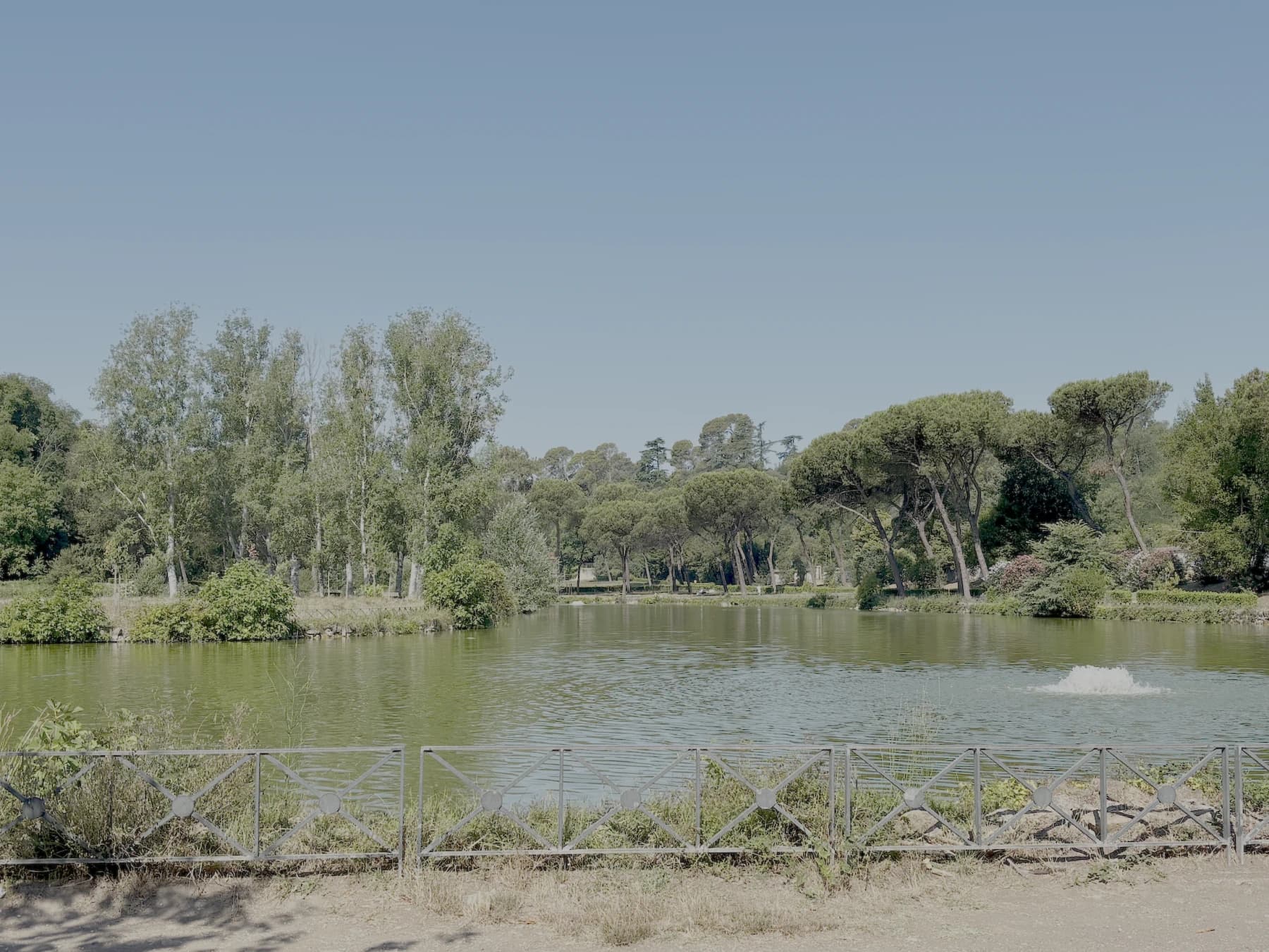
Rome's second-largest park, up in the residential north of the city near Parioli, and about as far from the tourist trail as you can get while still being in Rome. Villa Ada was once a royal estate of the House of Savoy, and it has kept a wild, wooded character: a lake, dirt trails through umbrella pines and holm oaks, wide lawns, and Romans running, cycling, and walking their dogs. If you are staying a while and want to see how the city actually lives, spend a morning here.
In summer the park hosts Roma Incontra il Mondo, a long-running festival of world music and concerts held by the lake across the warm months, one of the nicest ways to spend a Roman evening. The Catacombs of Priscilla sit right at the park's edge if you want to pair green space with something ancient.
Best time: a weekday morning for a run or a walk, or a summer evening for the festival by the lake.
How long: one to two hours, more if you are here to move.
Fits your day: best on a longer stay or a repeat trip, when you have already covered the essentials and want the local version of Rome.
Villa Torlonia
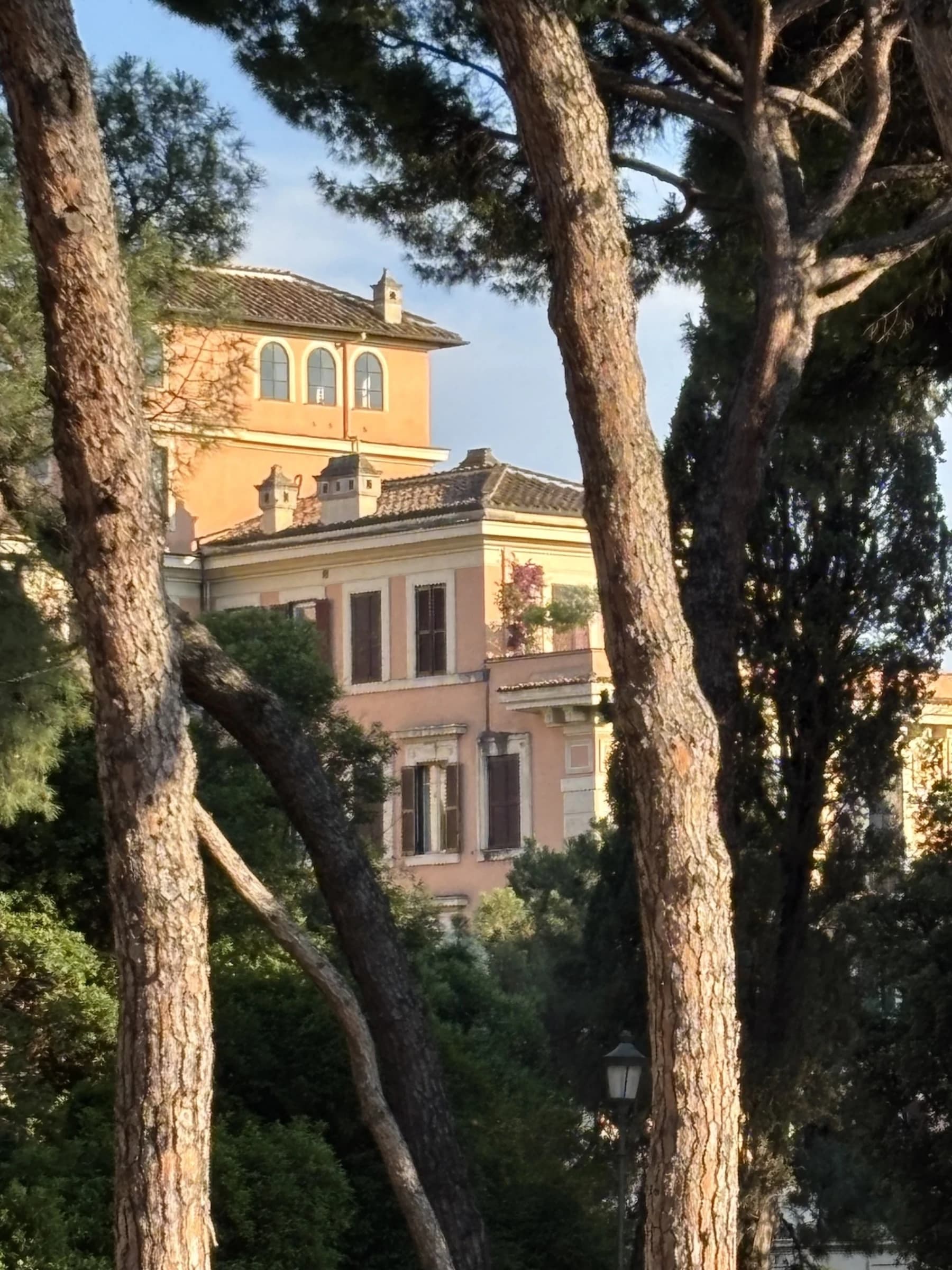
A compact, elegant park on Via Nomentana with a strange and interesting history. The Torlonia family's estate became Mussolini's Rome residence from 1925 until 1943, and the main house, the Casino Nobile, is now a museum you can visit, bunker included. The real draw, though, is the Casina delle Civette, the House of the Owls, a fairytale cottage of stained glass, turrets, and Art Nouveau detail that is one of the most charming small museums in the city.
The grounds themselves are quiet and well kept, with a small theatre, an orangery, and gravel paths shaded by tall trees. Few visitors make it out here, which is part of the appeal. It is a half day of green space and culture together, off the tourist map.
Best time: pair the park with the museums, which keep regular daytime hours.
How long: an hour to an hour and a half for the grounds, more with the Casina delle Civette.
Fits your day: a culture-and-green half day for a second visit, or for travelers who like the quieter corners of a city.
Practical notes for the parks
A few things worth knowing before you go. Most of Rome's parks are open from dawn to dusk and free to walk into, with the Botanical Garden the main exception. The museums and galleries inside them keep their own hours and usually close one day a week, most often Monday, so check before you build a day around a specific one.
For a picnic, skip the supermarket and buy from a neighborhood market or alimentari: bread, cheese, tomatoes, a bit of prosciutto, some fruit. Bring water and a bag for your rubbish, since bins fill up quickly on warm weekends. Wear real shoes rather than sandals if you plan to cover ground, especially at Pamphilj and Villa Ada, where the paths are gravel and dirt rather than paving.
Timing matters more than you would expect. The view parks, the Pincio, the Aventine, and the Gianicolo, are at their best in the last hour of light, so plan those for late afternoon and leave the museums and shaded gardens for the middle of the day. If you are deciding when to come at all, the best months to visit Rome for the gardens are April to June and September to October, when the light is soft and the roses and orange blossom are out.
Frequently Asked Questions
What are the best parks in Rome?
Villa Borghese is the central, iconic one and the easiest to reach. Villa Doria Pamphilj is the largest and the most local. The Aventine Orange Garden has the best framed view of St Peter's dome, the Gianicolo has the widest panorama of the city, and Parco del Colle Oppio sits directly across from the Colosseum. Villa Ada and Villa Torlonia are quieter, residential parks that few visitors reach.
Are parks in Rome free to enter?
Almost all of them are free, including Villa Borghese, Villa Pamphilj, the Aventine Orange Garden, the Gianicolo, Colle Oppio, Villa Ada and the grounds of Villa Torlonia. The Botanical Garden charges a small entry fee. Museums and galleries inside the parks, such as the Galleria Borghese and the Casina delle Civette at Villa Torlonia, are ticketed separately.
Which park has the best view of Rome?
The Gianicolo (Janiculum Hill) at Piazzale Garibaldi has the widest panorama over the historic center. The Pincio terrace inside Villa Borghese frames Piazza del Popolo and is the classic sunset spot. The Aventine Orange Garden looks west over the rooftops to St Peter's dome.
What is the park next to the Colosseum?
Parco del Colle Oppio, on the Oppian Hill directly across from the Colosseum. It gives you the best elevated view of the amphitheatre and the Arch of Constantine, and it sits above the Domus Aurea, Nero's Golden House, which you can visit on a booked guided tour.
Can you have a picnic in Rome's parks?
Yes. Villa Doria Pamphilj and Villa Ada have the open lawns and shade for it, and both are where Roman families actually spend their Sundays. Pick up supplies from a neighborhood market or alimentari on the way in. Bring a bag for your rubbish, since bins fill up fast on warm weekends.
Is Villa Borghese worth visiting?
Yes, and it earns a couple of hours rather than a quick loop. Walk the gardens, take in Piazza del Popolo from the Pincio terrace, rent a rowing boat on the small lake, and if you plan ahead, book the Galleria Borghese for one of the best small collections in the city.
Related reading
- How to Spend a Sunday in Rome
- Best Time to Visit Rome: Month by Month
- Rome with Kids: What Works and What Doesn't
- First Time in Rome: Complete Planning Guide
Related Services
Ways we can help with this trip
Personalized itineraries
Day-by-day Rome plans built around timing, geography, and the way you actually travel.
Explore itineraries→Experiences
Cooking classes, evenings, day trips, and concierge-style add-ons that fit around your trip.
See experiences→Airport transfer
Fixed-rate pickup from FCO or Ciampino with meet and greet inside arrivals.
Book airport transfer→Stay in Testaccio
A two-bedroom apartment in Testaccio for travelers who want a local base without losing city access.
View the Testaccio stay→