
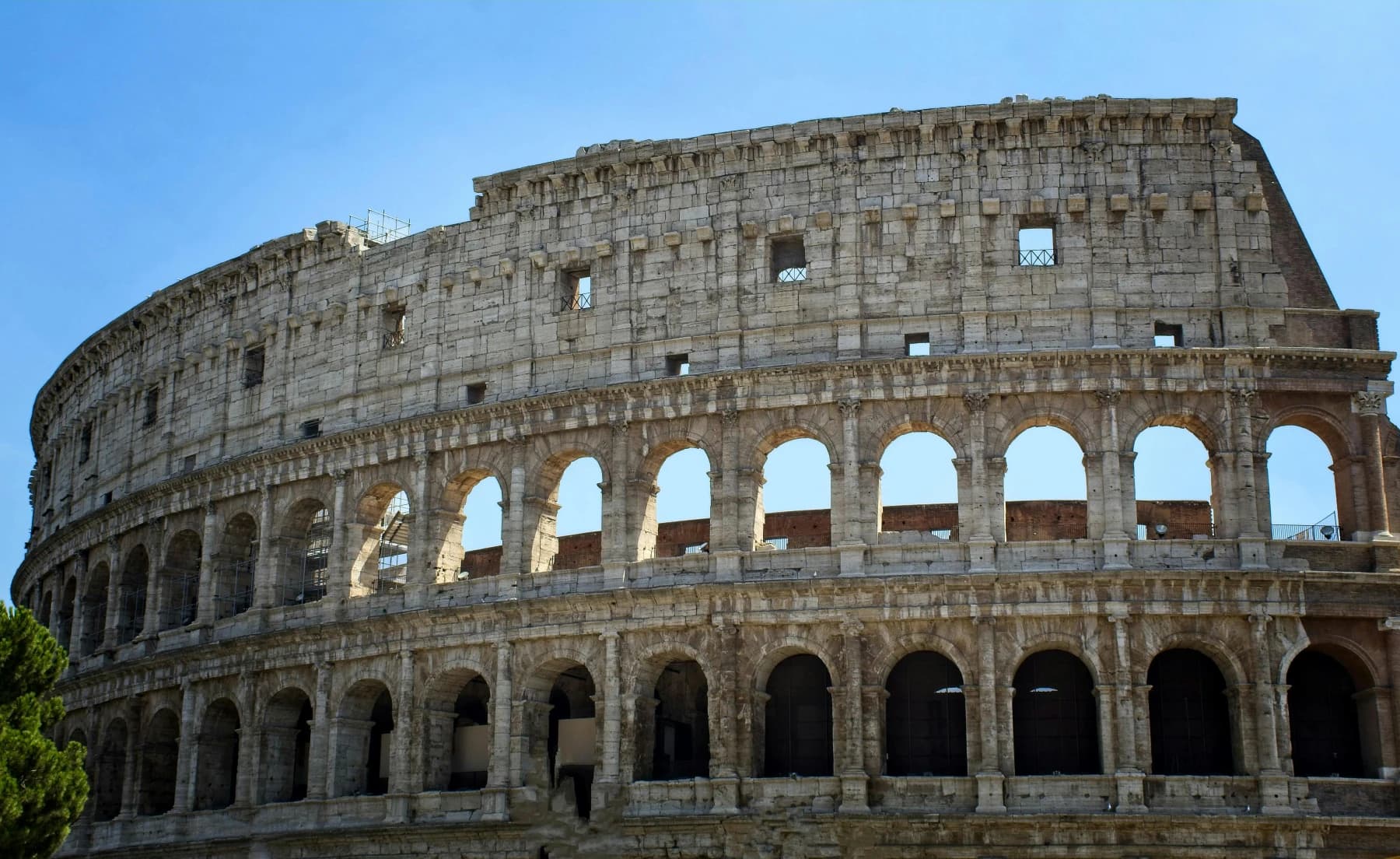
Last updated Apr 2026 · 12 min read
Quick Answer
The first-timers who leave happy are the ones who booked ahead and paced themselves. Book the Colosseum and Vatican weeks in advance, base yourself in the historic center, and cap it at two major sites a day.
Carry some cash for small trattorias, skip August if your dates are flexible, and validate transit tickets to avoid fines. The rest is detail.
Rome is not a city that rewards improvisation. It rewards preparation: not obsessive planning, but clarity about a few things that matter before you arrive. The visitors who leave satisfied are almost always the ones who knew what to expect, not the ones who left everything open. This guide covers what actually matters for a first visit.
What to Do Before You Leave Home
Three things determine whether your trip works: tickets, accommodation, and a rough day structure. Get those right and Rome takes care of the rest.
Book the Colosseum and Vatican in advance
These are not optional suggestions. The Colosseum without a ticket means joining a standby queue that regularly runs 45–90 minutes in peak season. The Vatican Museums without pre-booked entry can mean two to three hours of waiting — and no guarantee of getting in at all during busy periods. Both sites require timed entry. Book them the moment your travel dates are confirmed.
Skip-the-line Colosseum tickets
Timed entry with Roman Forum and Palatine Hill included.
From €20
Vatican Museums timed entry
Skip general queues with a reserved entry window.
From €35
The Borghese Gallery requires a reservation too — strictly timed, maximum 360 visitors at a time, genuinely sells out weeks in advance. If it's on your list, book it now.
Galleria Borghese tickets
Strictly timed entry — book well ahead.
Book at least two restaurants
Rome's best trattorias don't have large dining rooms or second sittings. A table at 9pm on a Friday in a good Roman kitchen requires a reservation made days or weeks ahead. This is not about fine dining — it's the neighborhood places that deserve the care.
Decide roughly where you're staying
The Historic Center is the strongest base for a first visit. Not because it's the most authentic, but because the walking efficiency is irreplaceable when time is tight. Everything is reachable on foot. You can return mid-afternoon to rest. The mornings before the crowds arrive will make the price worth it.
A full neighborhood breakdown →
Best area in Rome for a first timer (short version)
If you only remember one thing: book a walkable base in the Historic Center band near the Pantheon and Piazza Navona before you chase a cheaper room at the edge of the map. The comparison table, tradeoffs, and "where not to stay" section live in the dedicated guide.
Where to stay in Rome: full guide →How to Structure Your Days
The most common mistake in Rome is trying to cover too much. Rome is dense. The Colosseum, the Roman Forum, and Palatine Hill alone — covered properly — take a full morning. The Vatican Museums and Sistine Chapel take three to four hours minimum. Pairing both on the same day is one of the most common itinerary errors visitors make, and it leaves people exhausted and underimpressed with both.
A working structure for two to four days:
Day 1 — Ancient Rome
Colosseum, Roman Forum, and Palatine Hill in the morning. Lunch in Testaccio or Monti. Circus Maximus, Aventine Hill keyhole, and Trastevere in the afternoon.
Day 2 — Vatican
Museums and Sistine Chapel first thing — arrive at 8am. St. Peter's Basilica after lunch. Prati neighborhood for aperitivo in the evening.
Day 3 — Historic Center
Pantheon, Piazza Navona, Campo de' Fiori, and the streets between them. Trevi Fountain early morning or late evening only — midday is not manageable. Borghese Gallery if booked.
Day 4 — Slow day
Testaccio market in the morning. Trastevere. A neighborhood you haven't seen yet. Rest.
For shorter trips, collapse this structure rather than trying to fit everything in. Two structured days will give you more than four unplanned ones.
Is 2 days in Rome actually enough? → · 3 days in Rome day-by-day → · see the full seven-day itinerary if you have more time.
What to Book in Advance
A clear summary of what requires advance booking and what doesn't.
Must book
- Colosseum + Roman Forum — 2–4 weeks ahead in peak season
- Vatican Museums — 4–6 weeks ahead in peak season
- Borghese Gallery — 4–8 weeks, any season
- Top restaurants for Friday/Saturday dinner — 1–2 weeks ahead
No booking needed
- Pantheon (small entry fee, no timed slot)
- St. Peter's Basilica (free, security queue only)
- Trevi Fountain, Spanish Steps, all piazzas
- Most churches
- Markets
The full breakdown of what to book and when →
Getting Around
Rome is a walking city — but only from the right base. From the Historic Center, most things you'll want to see are within 30 minutes on foot. The main exceptions are the Vatican (25–30 minutes or Metro Line A to Ottaviano) and anything south of Testaccio.
The metro is limited — only two main lines, and they don't cover the historic center well. Trams and buses fill the gap but are slow during peak hours. Walking is almost always faster for distances under 2km.
Taxis are reliable and not expensive for short distances. Avoid unlicensed drivers outside airports and stations — always use official white taxis or the ItTaxi app.
For airport transfers, pre-book a private transfer rather than taking the Leonardo Express or figuring it out at the rank if your arrival is late, heavy on luggage, or your first time in Rome. A taxi can be cheaper for some central stays, but the private transfer removes the uncertainty of a line that sometimes builds simply because too few taxis are available at once.
That is especially true for American travelers landing at FCO around 7am after an overnight flight. That arrival window often overlaps with commuter traffic and a rush of incoming flights, and the taxi line can stall simply because not enough cars are available. Usually that is not the moment when people enjoy making one more transport decision.
Trains, taxis, and private transfer: how each actually feels →
Money and Payments
Rome is not a cash-only city, but it is not fully card-friendly either. Knowing which situations need cash avoids an awkward moment mid-trip.
Cards: accepted at hotels, larger restaurants, shops, and major sites. Contactless is widely available. Some neighborhood trattorias, markets, and small bars are cash only — either by preference or on a card machine that is "not working today." Keep €30–50 in cash for any given day.
ATMs: widely available throughout the city. Use ATMs attached to actual bank branches (Intesa Sanpaolo, UniCredit, BancoBPM) rather than standalone machines in tourist areas, which often charge higher conversion fees and are the most common targets for card skimming. Withdraw in euros and decline any offer to convert to your home currency at the machine — the bank's rate is always worse.
Tipping: not standard in Italy the way it is in the US. A coperto (cover charge of €1–3 per person) appears on most restaurant bills and covers bread and table service — it is normal and not optional. Rounding up or leaving a small amount for good service is appreciated but never expected. Do not tip at a bar.
Eating in Rome
Roman food culture has rules, and understanding them makes every meal better.
Breakfast
Standing at a bar. Espresso, cornetto, done. Sitting down costs more and signals tourist. The ritual is fast, social, and cheap — do it the Roman way.
Lunch
The real meal. Many Romans eat their main meal at midday. Trattorias do lunch seriously and often close or slow down in the evenings. Some of the best value eating in Rome happens at the lunch service of a proper kitchen.
Dinner
Late. Don't arrive at a restaurant before 8pm expecting a full room. Romans eat at 8:30–9pm. Arrive early and you'll be eating alone, served quickly, and handed the bill before the kitchen has warmed up.
The trap
Restaurants immediately adjacent to major landmarks are almost universally poor value. The Pantheon, Trevi Fountain, and Colosseum are surrounded by menus designed for people who will never return. Walk two streets in any direction.
8 phrases that will serve you well
What to pack: Rome's cobblestones rule out heels and smooth-soled shoes. Churches require covered shoulders and knees — a light scarf handles this in every season. See the full what to wear in Rome guide for a packing list by season.
What Most First-Time Visitors Get Wrong
Trying to do too much
Two well-chosen sites per day with time to wander between them is a better trip than five rushed ones.
Not booking the big sites
Every year people arrive at the Vatican or Colosseum without tickets and lose hours to queues that were entirely preventable.
Staying near Termini
Practical, affordable, and wrong for a first visit. The neighborhood lacks the character that makes Rome feel like Rome, and the commute into the historic center adds friction to every day.
Visiting in August
Rome in August is hot, loud, and crowded with tourists because most Romans have left the city. The best months are October–November and March–April. December and January offer the lowest prices and a genuinely beautiful atmosphere.
Skipping the side streets
Rome's best moments are rarely on the main routes between sites. The mosaic tucked into a side chapel. The courtyard visible through an open gate. The fountain that appears at the end of a narrow street. Allow time to get slightly lost.
If You Have Extra Time
If your trip is five days or more and you want a half-day outside the city, Ostia Antica is the most accessible and undervisited option. Rome's ancient port city, abandoned in the medieval period and never built over, is reachable in 45 minutes by suburban train from Piramide station. The site is large, largely uncrowded, and gives a completely different sense of Roman daily life than the Colosseum. Go on a weekday morning and pair it with lunch back in Testaccio.
If you are traveling solo as a woman, see our dedicated guide on whether Rome is safe for solo female travelers — it covers the specific neighborhoods, transport, and nightlife considerations.
Planning a trip to Rome?
We build personalized itineraries around your dates, pace, and priorities.
View Rome Itineraries →Questions About Visiting Rome for the First Time
What is the best area to stay in Rome on a first visit?
For most first-time visitors, the Historic Center around the Pantheon, Piazza Navona, and nearby streets is the best default: you walk to the main sights, you can rest mid-day, and you avoid spending your trip on buses. For a neighborhood-by-neighborhood comparison, read the where to stay in Rome guide.
When is the best time to visit Rome?
October through November and March through April for the best balance of weather, crowds, and prices. Avoid August if possible — hot, busy, and many local businesses close.
How many days do you need in Rome?
Three to four days covers the main sites properly. Two days is enough for a first impression if structured well. Five or more days lets the city reveal itself at a pace that doesn't feel rushed.
Is Rome safe for tourists?
Yes. The main concern is petty theft — pickpocketing around Termini, the Colosseum, and crowded tourist areas. Standard precautions: front pockets, crossbody bags, awareness on public transport. Violent crime targeting tourists is rare.
Do I need to speak Italian?
No. English is widely spoken in tourist areas and most restaurants. Learning a few basics — buongiorno, grazie, un caffè per favore — is appreciated and occasionally rewarded with better service.
What is the dress code for churches?
Covered shoulders and knees required for the Vatican, St. Peter's Basilica, and most churches. A light scarf or layer in your bag solves this entirely regardless of the weather.
This article may contain affiliate links. If you book through them, I may earn a small commission at no additional cost to you.
Related reading
- Where to Stay in Rome for First-Time Visitors
- Is 2 Days in Rome Enough?
- 3 Days in Rome: The Best Itinerary for a Short Stay
- 1 Week in Rome: Day-by-Day Itinerary
- Best Time to Visit the Vatican
- Rome Airport Transfer: FCO & Ciampino to City Center
Related Services
Ways we can help with this trip
Personalized itineraries
Day-by-day Rome plans built around timing, geography, and the way you actually travel.
Explore itineraries →Experiences
Bookable Rome services (transfers, restaurant reservations, planning calls, car with driver) plus curated evenings, cooking classes, and day trips.
See experiences →Airport transfer
Fixed-rate pickup from FCO or Ciampino with meet and greet inside arrivals.
Book airport transfer →Stay in Testaccio
A two-bedroom apartment in Testaccio for travelers who want a local base without losing city access.
View the Testaccio stay →