
Last updated Jul 2026 · 7 min read
Rome runs a genuine Mediterranean climate: hot, dry summers, mild wet winters, and shoulder seasons that swing more than visitors expect. Below is what it's doing right now, followed by the month-by-month averages that actually matter for packing and planning.
Rome right now
Updated 00:30 Rome time
25°C
Mainly clear · Feels like 29°C
Humidity
77%
Wind
2 km/h
Sunset
20:45
Today
35° / 22°
Mon
36° / 23°
Tue
37° / 22°
Wed
37° / 23°
Thu
40° / 23°
Live data from Open-Meteo. Refreshes automatically every 30 minutes.
Quick Answer
May and late September are the most reliable weather months: warm, mostly dry, without July and August's heat. June is close behind. October brings the year's heaviest rain, and January is the coldest month, though rarely harshly so.
Rome weather by month
Averages, not guarantees, any single day can run hotter, colder, or wetter than the numbers below suggest. Use this to set expectations and pack correctly, not to predict a specific afternoon three months out.
| Month | Temp range | Rainfall | Sunshine | Notes |
|---|---|---|---|---|
| January | 4–12°C | ~70mm | 4h/day | Cold mornings, mild midday sun, occasional grey stretches. |
| February | 5–14°C | ~60mm | 5h/day | Similar to January with slightly longer, brighter days. |
| March | 8–17°C | ~65mm | 6h/day | Genuinely changeable, layer for a 10-degree swing in one day. |
| April | 11–20°C | ~60mm | 7h/day | Comfortable and increasingly reliable, showers pass quickly. |
| May | 15–26°C | ~55mm | 9h/day | The most dependable month of the year, warm without heat stress. |
| June | 20–32°C | ~35mm | 10h/day | Dry heat sets in, afternoons want shade by 2pm. |
| July | 23–37°C | ~20mm | 11h/day | Peak heat and the driest month, mornings and evenings only. |
| August | 22–36°C | ~30mm | 10h/day | Still hot, the city itself quiets down around Ferragosto. |
| September | 18–29°C | ~65mm | 7h/day | Heat breaks gradually, evenings turn genuinely pleasant. |
| October | 12–22°C | ~100mm | 6h/day | The wettest month, rain comes in short, heavy bursts. |
| November | 8–17°C | ~100mm | 4h/day | Grey and damp more often than not, pack a real coat. |
| December | 4–13°C | ~80mm | 4h/day | Cold and shorter days, but clear cold snaps are common too. |
For crowds, prices, and events layered on top of this, see the full best-time-to-visit guide.
Rome's four seasons, briefly
Spring (March to May)
The least predictable season. March can swing ten degrees in a day; by May the weather has mostly settled into warm, dry, and genuinely pleasant. Bring layers through April regardless of the forecast.
Summer (June to August)
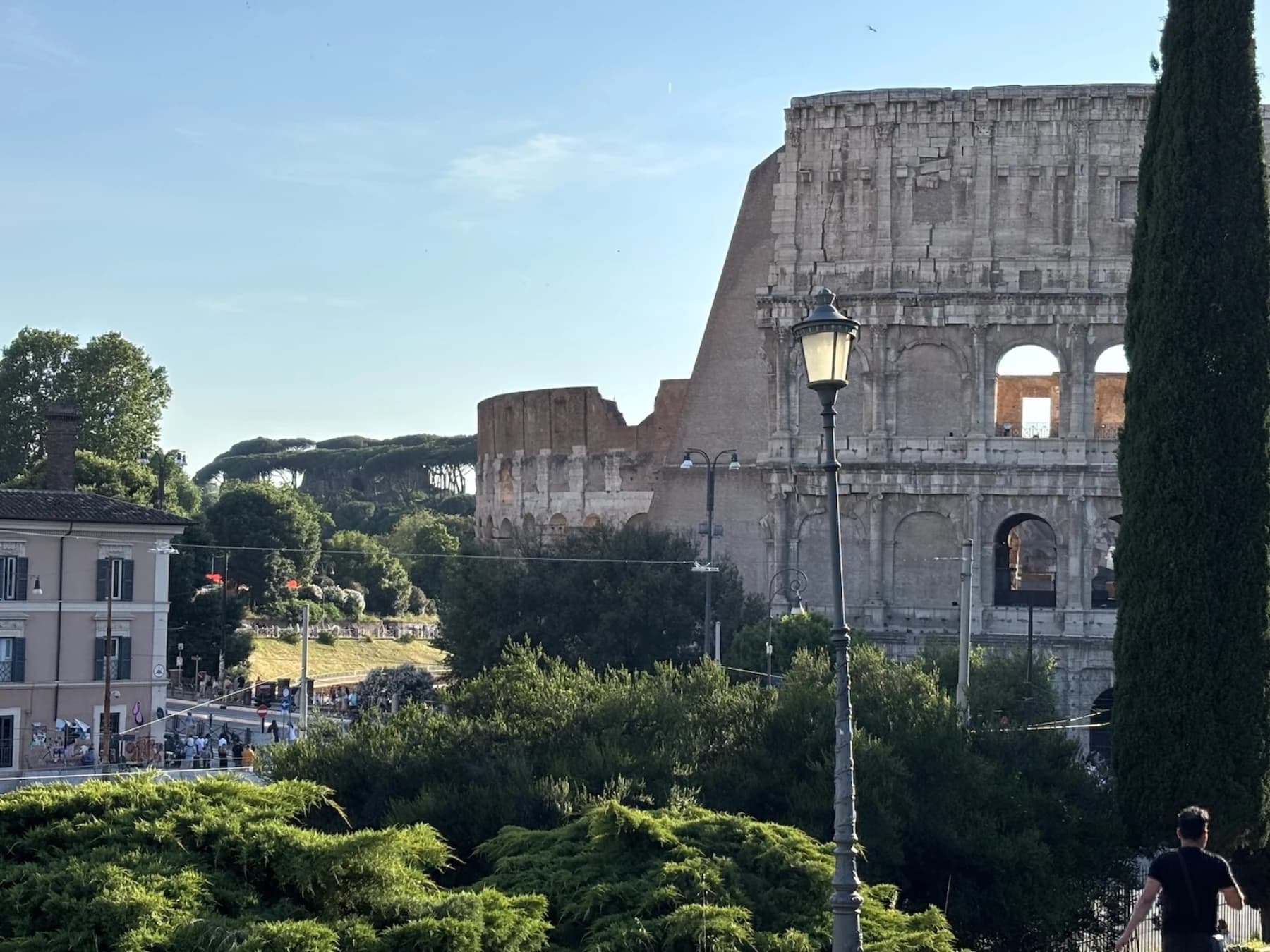
Hot and dry, with July as the peak. Mornings before 10am and evenings after 6pm are the workable hours for walking; midday is for shade, gelato, or a museum with air conditioning.
Autumn (September to November)
September holds onto summer warmth with none of the crowds' patience for it. October is the wet card in the deck, rain arrives in short, heavy bursts rather than all-day drizzle. November turns properly grey.
Winter (December to February)
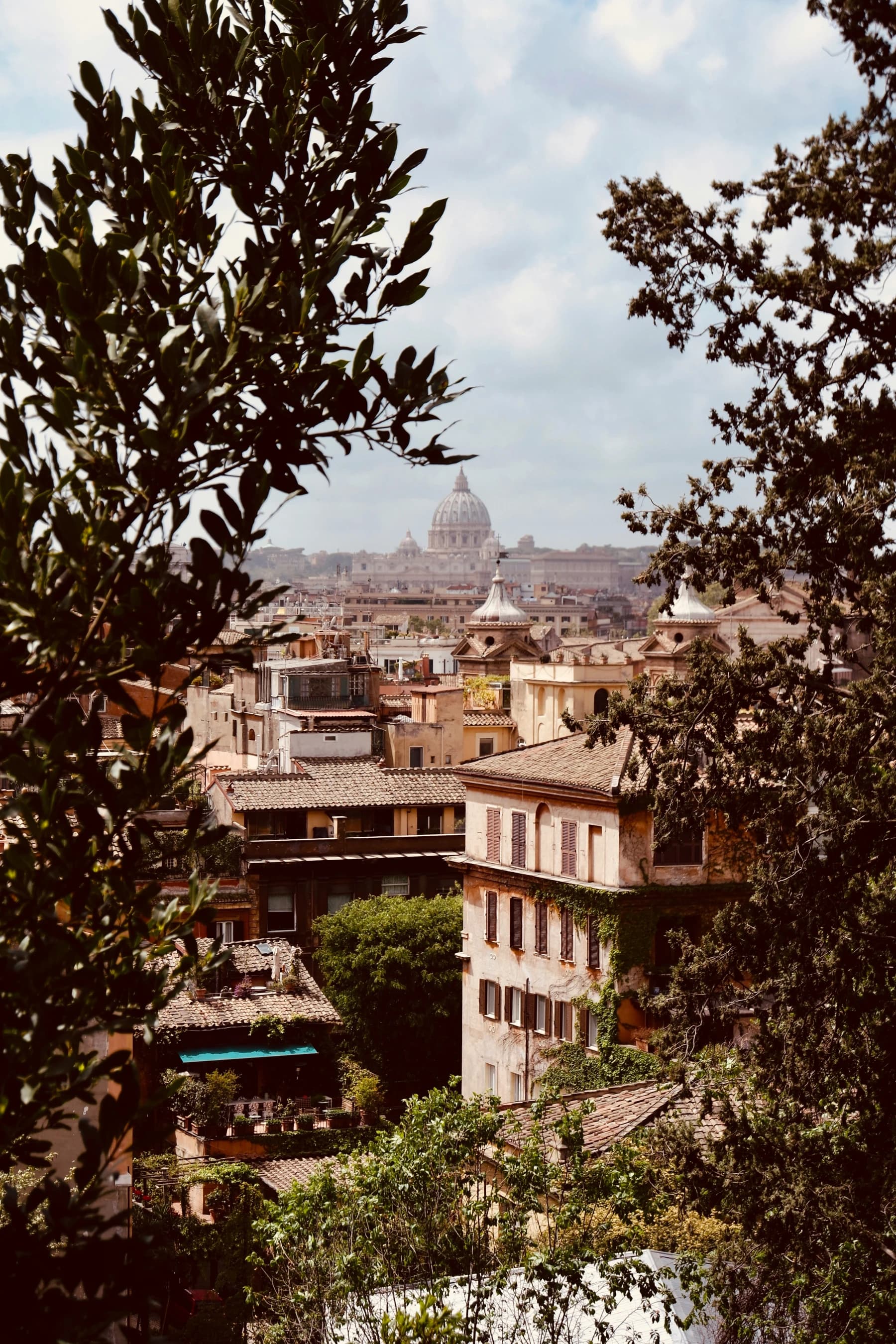
Mild by northern European standards, rarely freezing, but cold enough that a real coat matters. Clear cold days are common and some of the best light of the year for photos falls in January and February.
For what to actually pack against these numbers, see the full packing guide, and for a deeper look at one specific month, Rome in October covers the shoulder season in detail.
What the weather actually changes about your day
- In June, July, and August, front-load outdoor sights (Forum, Colosseum, Palatine) into the early morning slot and save indoor collections for the early afternoon heat.
- In October and November, keep a compact umbrella on you and build one indoor backup into each day rather than each trip.
- In deep summer, hydrate more than feels necessary, and use the city's free drinking fountains (nasoni) rather than buying bottled water all day.
- In winter, mornings are the coldest part of the day by far; a slightly later start costs you little and saves the worst of the chill.
Plan around the season
Let a routed itinerary handle the timing
We sequence outdoor and indoor stops around the hour and the season, not just the map, so a hot afternoon or a rainy morning doesn't wreck the day.
Frequently asked questions
What is the hottest month in Rome?
July and August, with highs regularly in the mid-to-high 30s Celsius and spikes above 37 during heatwaves. July is usually the drier and more consistently hot of the two; August cools slightly and empties out around Ferragosto (August 15) as many Romans leave the city.
What is the coldest month in Rome?
January, with average highs around 12°C and overnight lows near 4°C. It rarely freezes and snow in the city itself is uncommon, but mornings are cold enough that a proper coat matters.
Does it rain a lot in Rome?
Less than most people expect in summer, and more than they expect in autumn. June through August are dry, with some months seeing under 30mm total. October and November are the wettest months, with rain arriving in short, heavy bursts rather than steady all-day drizzle.
Is Rome humid?
Summer humidity is moderate but combines with heat to feel heavier than the temperature alone suggests, especially in the afternoon. Winter humidity is higher on paper but feels less oppressive because temperatures are much lower.
Does it ever snow in Rome?
Rarely, and when it does it is usually a light dusting that melts within a day. Rome sees meaningful snowfall roughly once every several years. It is not something to plan a trip around in either direction.
Related reading
- Best Time to Visit Rome: Month by Month
- Rome in October
- What to Wear in Rome
- First Time in Rome: Complete Planning Guide
Related Services
Ways we can help with this trip
Personalized itineraries
Day-by-day Rome plans built around timing, geography, and the way you actually travel.
Explore itineraries→Experiences
Cooking classes, evenings, day trips, and concierge-style add-ons that fit around your trip.
See experiences→Airport transfer
Fixed-rate pickup from FCO or Ciampino with meet and greet inside arrivals.
Book airport transfer→Stay in Testaccio
A two-bedroom apartment in Testaccio for travelers who want a local base without losing city access.
View the Testaccio stay→