
Last updated Mar 2026 · 9 min read
Quick Answer
Mercato di Testaccio is open Monday to Saturday, roughly 7am to 3:30pm, and closed on Sundays. Go before 9:30am for the calmest, best-stocked visit.
Start with an espresso at the bar, walk the full perimeter once, then eat at a food box like Mordi e Vai or Casa Manco. It is about a 5-minute walk from Piramide metro.
If you want to understand Rome, come here in the morning. Not to see monuments. Not to photograph domes. Just to stand at the counter with an espresso and watch the rhythm of this local market unfold.
What Testaccio Market Actually Is
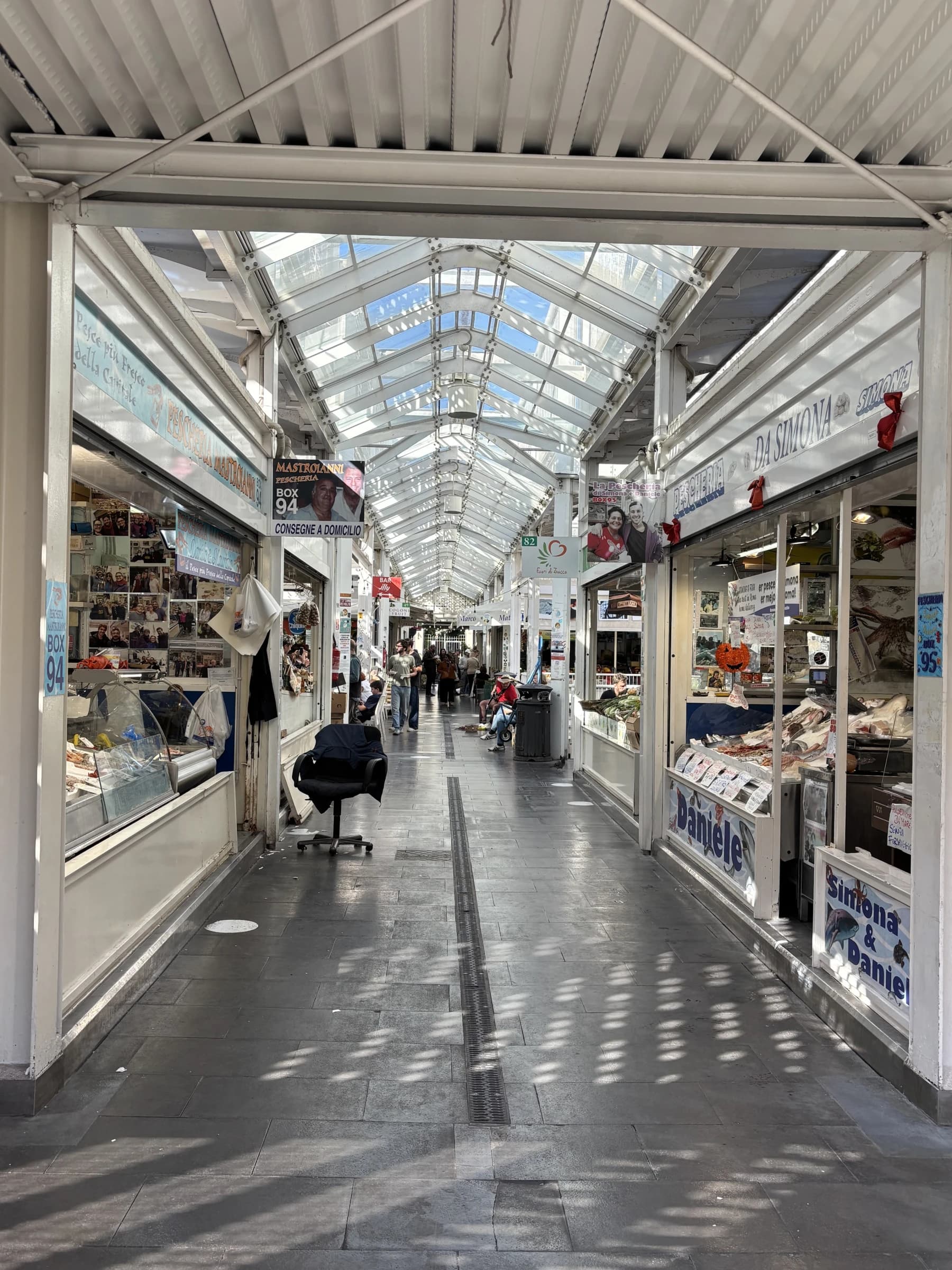
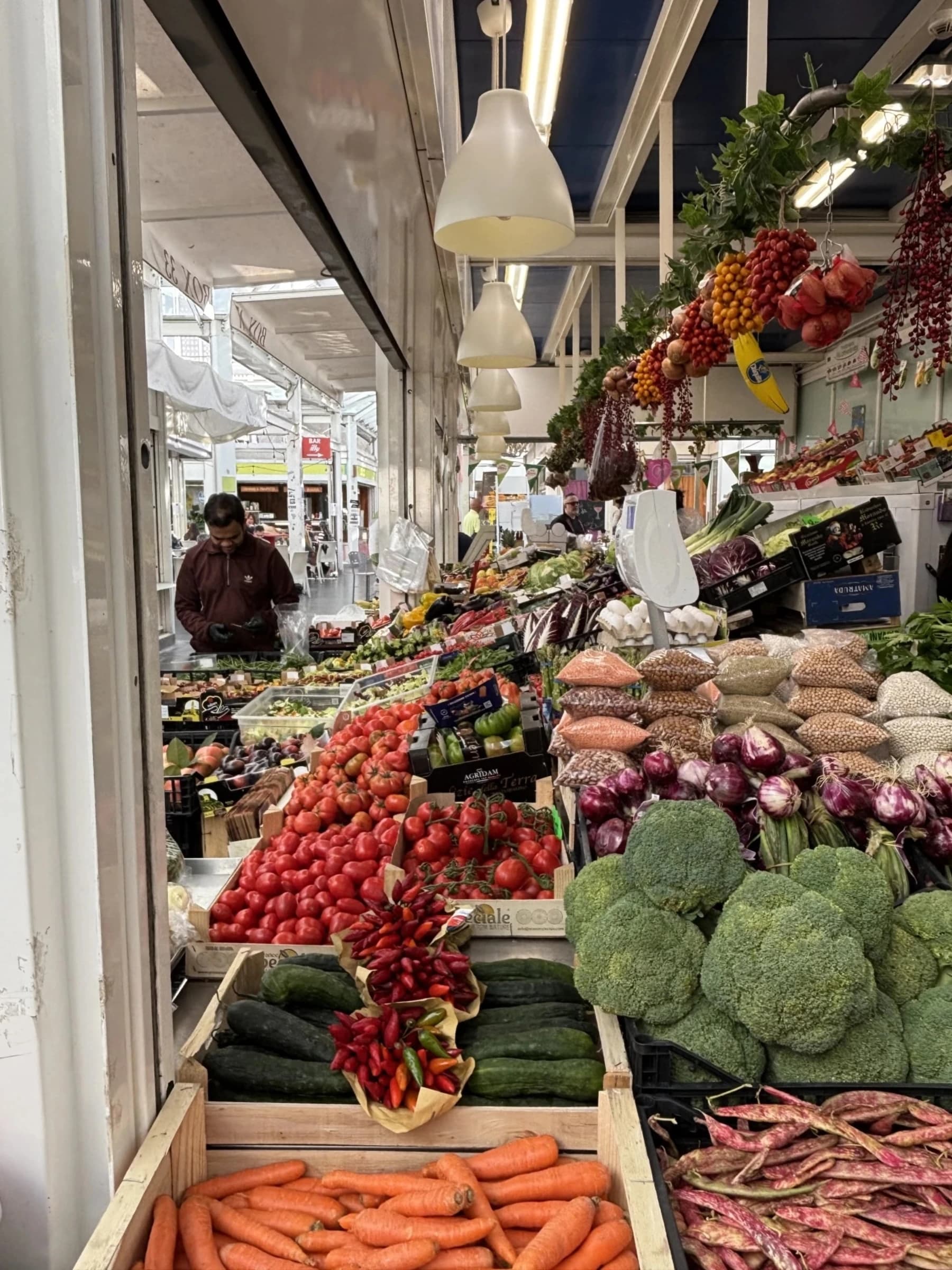
This is not a tourist market. There are no overpriced pasta kits, no novelty limoncello bottles, no vendors trained to flag down visitors with English menus. Mercato di Testaccio is a working neighborhood food supply. Romans come here because it's where their food comes from.
The market opens Monday through Saturday from around 7am and runs until roughly 3:30pm. The structure is indoor and covered, a clean, modern pavilion built in 2012 to replace the old open-air stalls. Box stalls line the perimeter and fill the interior grid. There is no haggling culture. Prices are marked or stated once. You buy or you don't. If you are planning a Sunday visit specifically, see the Sunday in Rome guide for what else is open that day.
What you'll find: seasonal vegetables and fruit from Lazio farms, multiple meat counters, whole fish and cleaned fillets, cheeses — pecorino romano, fresh ricotta, aged cacioricotta — mozzarella di bufala arriving directly from Campania, cured meats, and flours. Beyond food: clothes, shoes, handmade wooden kitchen tools, cutting boards, ceramic pieces. It carries its own ecosystem.
Inside the market there are also food boxes — small prepared-food operations positioned among the stalls. Mordi e Vai is the most well known: offal sandwiches cooked to order, served in paper. Trippa alla romana, nervetti, coda. It opens early and runs out. Other boxes serve pizza al taglio, pasta plates, suppli. Come back at lunch and the market shifts again — plates of gnocchi ai gamberetti, cacio e pepe, amatriciana eaten at simple tables without ceremony.
Testaccio food market tour
PartnerGuided market visit with pasta and wine.
How to Spend the Morning — A Loose Sequence
Arrive before 9am. This is the quietest window. Vendors are still arranging. Regulars are moving through quickly. The light is low and clean. After 10am the rhythm changes — it gets louder, more compressed, and by 11am school groups sometimes pass through.
Start with espresso. There's a bar near the entrance. Stand at the counter. Don't sit down, don't check your phone, don't rush. Order, drink it in two minutes, and watch what's happening around you. This is not a tourist ritual. It's just how coffee works here.
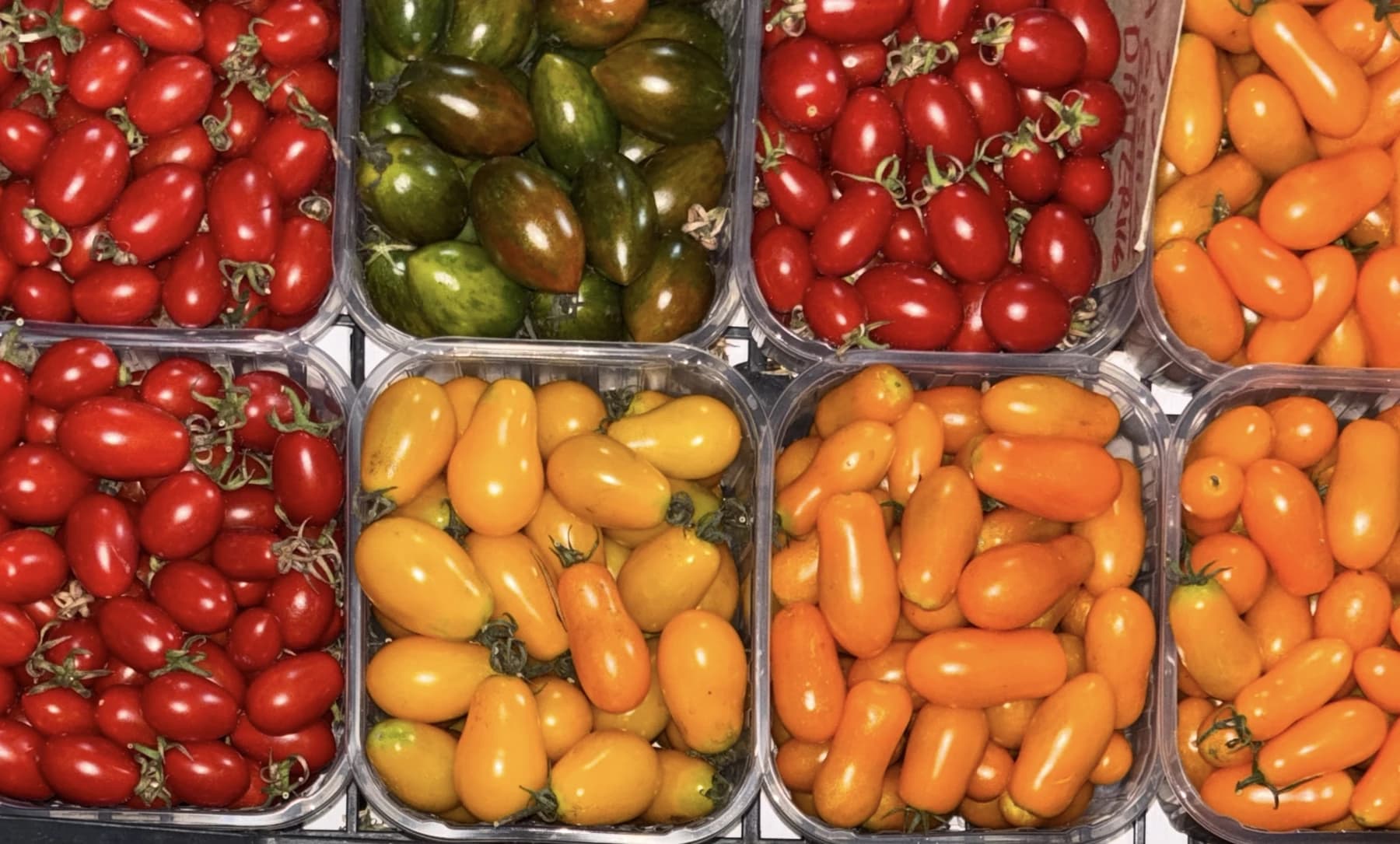
Before buying anything, walk the full perimeter once. Get a sense of what's here, what looks good today, what's in season. The produce quality varies by vendor and by week. One stall might have exceptional tomatoes; another will have better greens. You won't know until you've seen all of it.
Then head to the food boxes inside. Mordi e Vai opens early. If you're going to eat an offal sandwich at a Roman market — and this is a reasonable thing to do — this is where to do it. If that's not your direction, the pizza al taglio from Mano is often considered among the best in the city: thick, crisp, cut with scissors, eaten standing.
For taking things back: seasonal fruit, local cheeses, and cured meats travel well and cost a fraction of what you'd pay near the centro storico. A small piece of aged pecorino, a few slices of prosciutto crudo, some late-season figs if it's September — this is the version of Rome most visitors never assemble.
The Neighborhood Around the Market
Piazza Testaccio sits a few minutes from the market entrance. It's a residential square — benches, a fountain, older residents in the morning, children after school. No restaurants designed for visitors, no souvenir shops. It's the neighborhood square doing what a neighborhood square is supposed to do.
Via Galvani runs parallel to the market and carries the old Rome feel most clearly. Butcher shops with handwritten signs. A few alimentari. Bars that don't acknowledge you until you acknowledge them. The street has a weight to it that doesn't exist in the centro storico anymore.
Ten minutes east on foot is the Centrale Montemartini — a former municipal power station now housing a permanent collection of Roman sculptures against a backdrop of turbines and industrial machinery. It's one of the most undervisited museums in Rome. The pairing of classical marble and industrial infrastructure is precise and strange. If you've spent a morning at the market, this pairs naturally. Go before lunch.
Circo Massimo is a 15-minute walk south: the valley between the Palatine and Aventine hills where chariot races ran for centuries. What remains is a long grass field. It reads as empty. That's the point. Understanding the scale of what used to happen here requires standing in it, not reading about it.
Five minutes north of the market, at Piramide station, is the Pyramid of Caius Cestius: a full-scale Egyptian-style pyramid built in 12 BC as a tomb for a Roman magistrate, now embedded into the Aurelian Walls at Porta San Paolo. It is not a reproduction or a folly. It is genuinely ancient, completed in 330 days according to the inscription, and one of the stranger things to encounter unexpectedly in a Roman neighbourhood. The adjacent Protestant Cemetery, where Keats and Shelley are buried, is open to visitors and one of the quietest spots in the city.
The History Behind the Neighbourhood
Testaccio was built around a slaughterhouse. The Mattatoio di Roma opened in 1891 at the southern end of the neighbourhood and operated for nearly a century, employing hundreds of local working-class families. Workers were paid partly in the offal and offcuts that wealthier customers didn't want: tripe, intestines, oxtail, lung, kidney. Out of this arrangement came the cucina povera that defines Roman cooking to this day. Coda alla vaccinara, trippa alla romana, rigatoni con la pajata. The dishes on every Testaccio menu are not a culinary experiment. They are the literal food of the people who built this neighbourhood.
The Mattatoio closed in 1975. The industrial brick complex still stands on Via Zabaglia and now houses the MACRO contemporary art museum and a campus of Roma Tre university. The architecture is worth a look: late nineteenth-century industrial construction, brick and cast iron, completely unlike anything in the centro storico.
Monte dei Cocci, the hill behind Flavio al Velavevodetto restaurant, is a different layer of the same history. The hill is made entirely of broken terracotta amphorae: the containers used to ship olive oil from the Roman provinces of Hispania and Baetica over several centuries of the imperial period. The oil residue made the shards unsuitable for reuse, so Romans stacked them systematically just outside the city boundary. The result is a 35-metre artificial hill of ancient waste that now has restaurants and bars built into its cooler inner chambers. It is one of the more unusual things in Rome, hiding a hundred metres from the market entrance.
Why This Matters for Your Itinerary
Testaccio mornings work best as a Day 3 or later activity. For your first two days, the landmark density of the centro storico and Vatican area will absorb most of your energy. Once those anchors are covered, Testaccio gives you something different: rhythm instead of volume.
For shorter stays, the most efficient approach is an early market visit — before 9am — followed by a walk north toward the Ancient Rome cluster. The Circus Maximus, Palatine Hill, and the Colosseum are all reachable within 20 minutes on foot. A morning that starts in Testaccio and moves through ancient Rome in sequence makes geographic sense and avoids the crowds that build at the Colosseum after 10am.
Skip-the-line Colosseum tickets
Timed entry with Roman Forum and Palatine Hill included.
From €20
Testaccio also pairs naturally with the Aventine Hill, a 10-minute walk uphill from the market. At the top: the Knights of Malta keyhole on Piazza dei Cavalieri di Malta — a garden gate through which you can see St. Peter's dome perfectly framed at the end of a trimmed hedge corridor. It takes 30 seconds to look through. It's one of the more precise visual experiences in the city.
The Gelato Here Is Serious
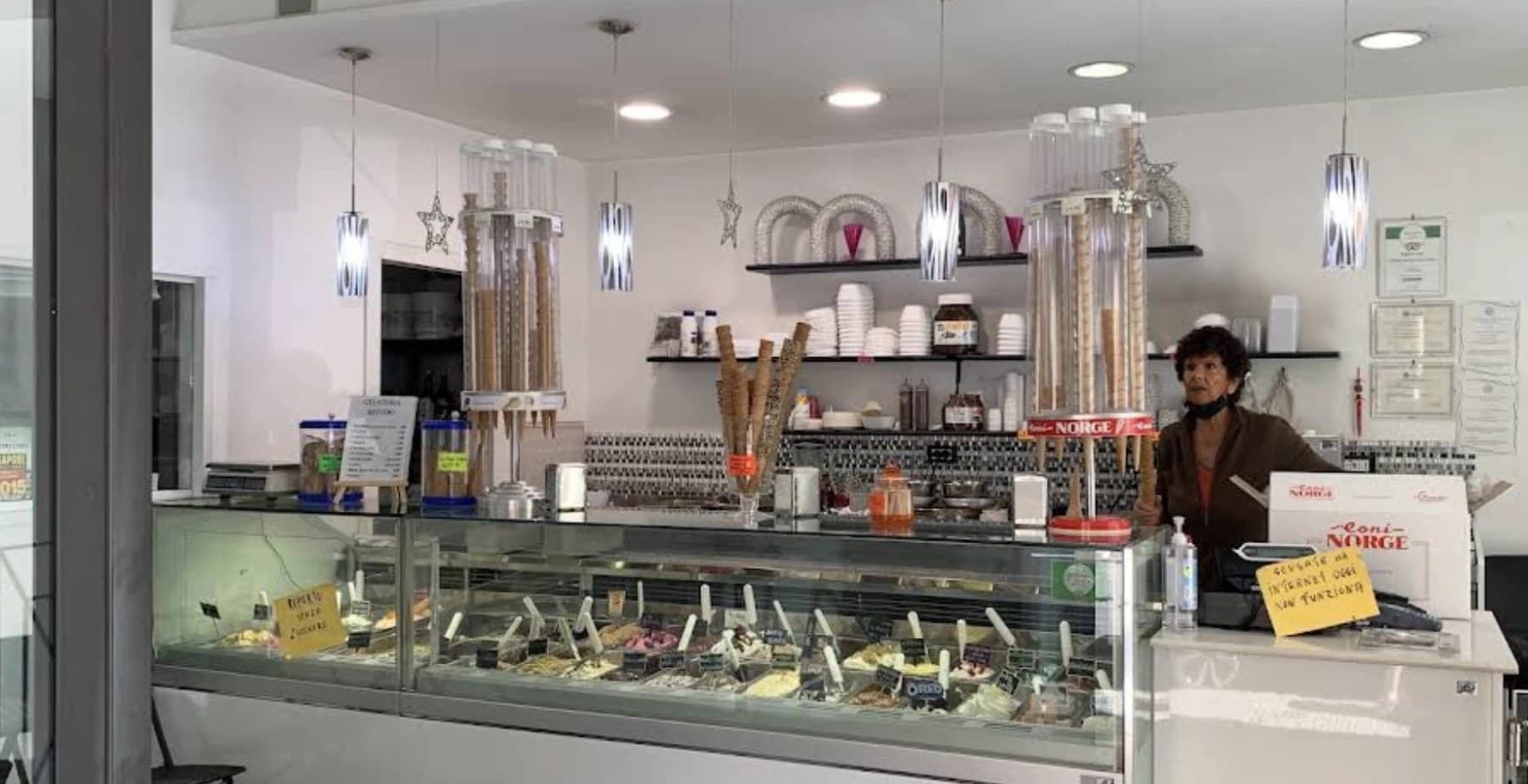
Right on Piazza Testaccio, Borghese Gelateria Naturale is the neighborhood's standout and one of the most loved gelaterias in Testaccio. It works with natural ingredients and precise temperature control, and the flavors are clean, focused, and not overly sweet. It's the kind of place you return to more than once during a stay, not because it's famous, but because it's consistent.
It offers sugar-free and vegan options, not as a compromise, but as part of its production philosophy. The result is lighter, more defined, and surprisingly complex. What matters more than any backstory is the first spoonful.
For a second stop, Gelateria Brivido is the small, unpretentious neighborhood classic, made fresh daily a short walk from the market. The pistachio and the fior di latte are the ones to order. Worth knowing if Borghese is busy or you want to compare.
Lazio wine & food tasting
PartnerPDO wines, cheeses, and cured meats near Testaccio.
Where to Eat in Testaccio
Testaccio has more kitchens worth eating at per street than almost anywhere else in Rome. None of them are designed for tourism. Reservations are expected, especially on weekend evenings.
- Flavio al Velavevodetto (€€) · Cacio e pepe reference for the neighbourhood, built into Monte dei Cocci. The setting is as unusual as the kitchen is reliable. Book ahead.
- Ai Cocci (€€) · Classic Roman trattoria: carbonara, cacio e pepe, abbacchio. The menu doesn't experiment and doesn't need to.
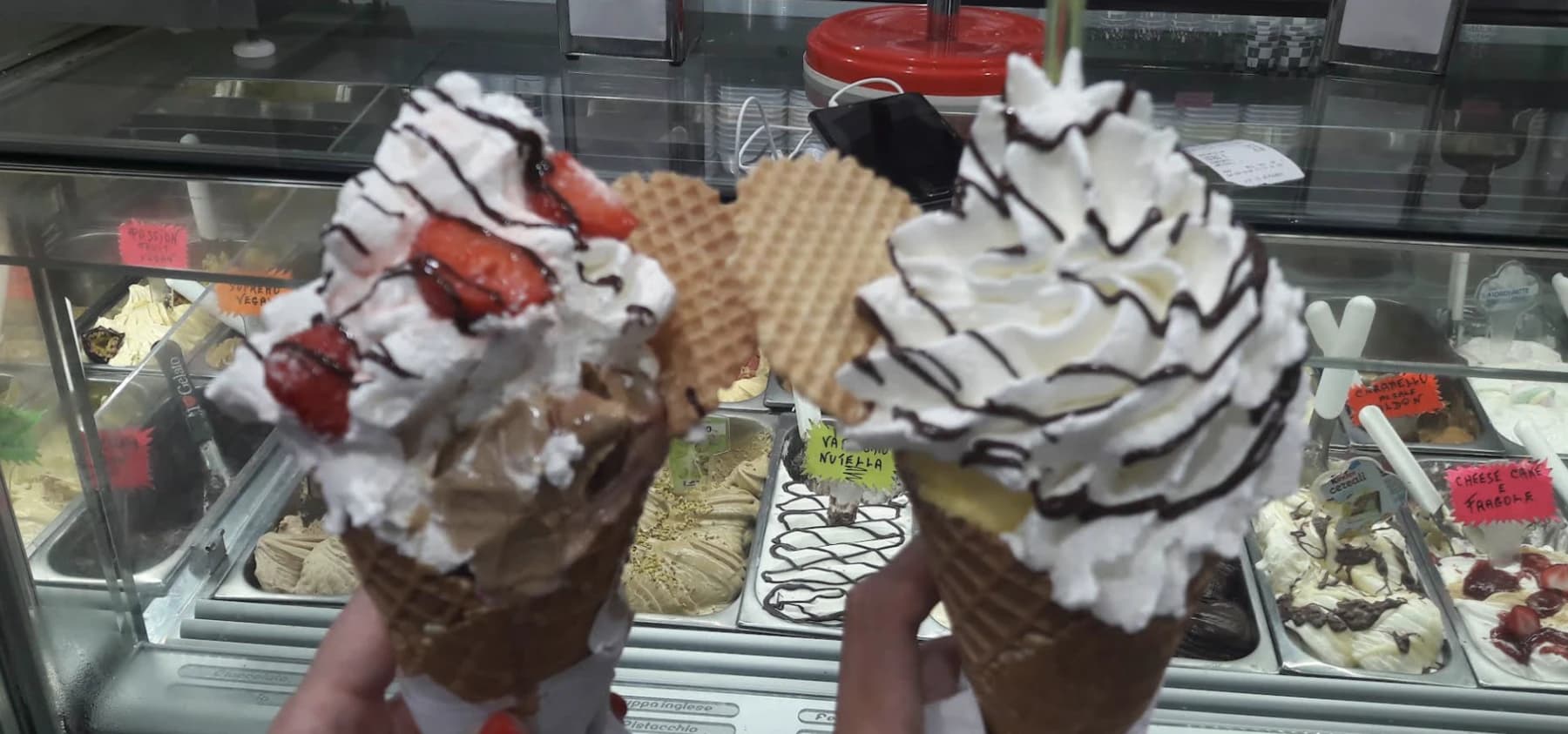
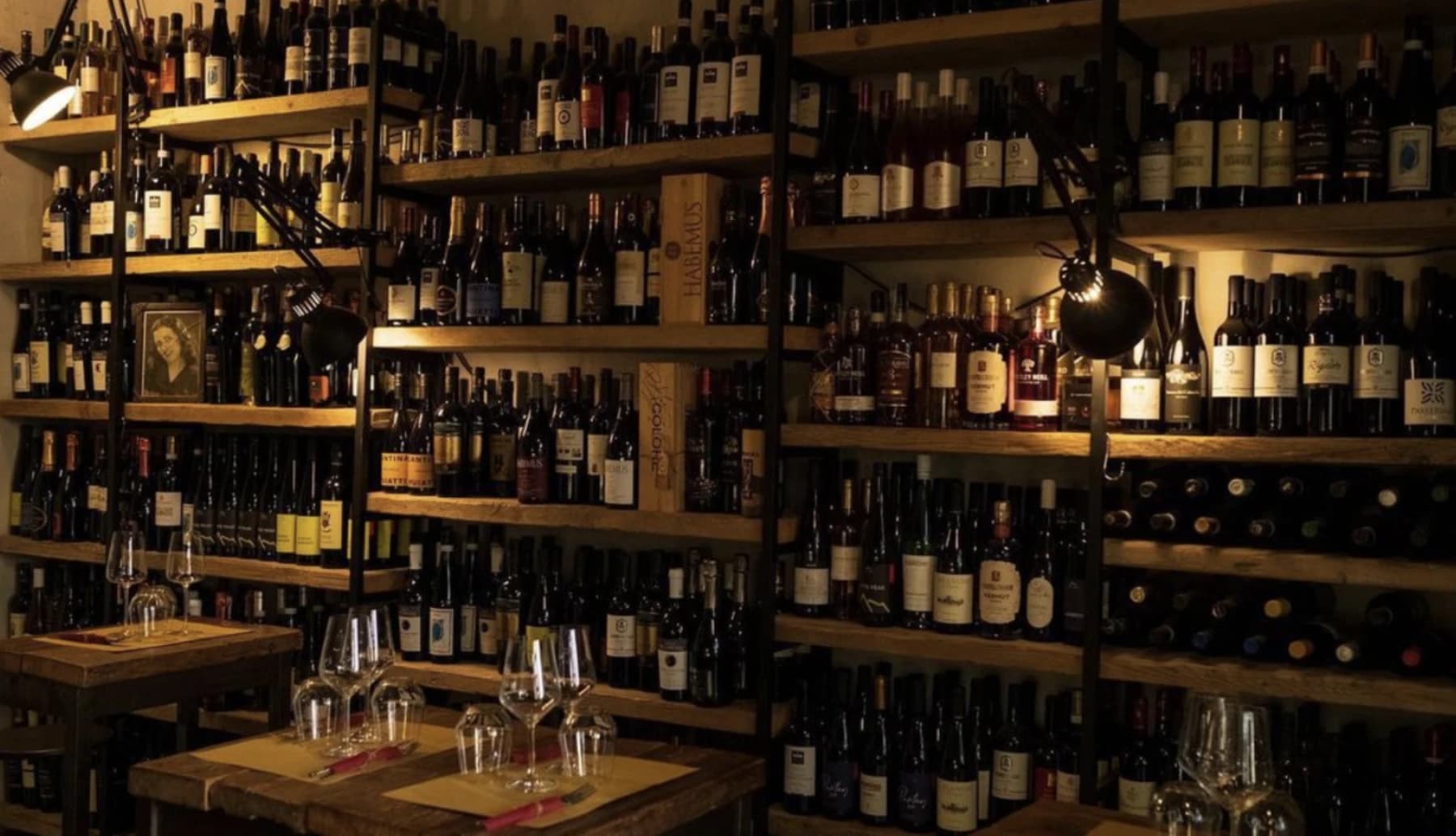
- Masto (€€€) · Wine bar with a kitchen worth eating at. Better for a long evening than a quick dinner. Good bottles, unhurried room.
- Casa Mora (€€€) · Natural wine list, small plates, aperitivo. Go before or after dinner elsewhere rather than as the anchor of a meal.
Full writeups with booking notes are in the best restaurants in Rome guide.
Is Testaccio Right for Your Stay?
For stays of three days or more, Testaccio as a base changes how the city feels. You return at night to calm instead of noise. You eat better and cheaper. You move through the city with more confidence because you're oriented from a real neighborhood rather than a tourist corridor.
I live in Testaccio and rent a small apartment here designed for this kind of stay: quiet at night, five minutes from the market, three minutes from the metro.
If you're here for a short 48-hour stay, Testaccio will feel slightly removed — not geographically, but rhythmically. The landmark cluster will dominate your time. But for three days or more, this neighborhood becomes something else entirely: a base that feels like living in Rome instead of passing through it.
Walking distances from Testaccio: Colosseum — 20 minutes on foot. Trastevere — 15 minutes. Campo de' Fiori — 20 minutes. Pantheon — 30 minutes. Everything is reachable without metro. The neighborhood is served by tram 3, bus 23, and Metro Line B at Piramide — three minutes walk from the market.
Planning a trip to Rome?
We build personalized itineraries around your dates, pace, and priorities.
View Rome Itineraries →Questions About Testaccio Market
What time does Testaccio market open?
Monday through Saturday, approximately 7am. The market closes around 3:30pm. The best window is before 9:30am — quieter, better stocked, and before the food box queues build.
Is Testaccio market worth visiting as a tourist?
Yes — it's one of the few remaining neighborhood markets in Rome that hasn't been repositioned for visitors. The prices are local, the produce is seasonal and real, and the atmosphere is completely unperformed. You will not feel like you are on a food tour.
How do I get to Testaccio from the center?
Metro Line B to Piramide, then 5 minutes on foot. Alternatively, a 20-minute walk south from the Colosseum area — the route passes Circus Maximus, which is worth seeing on the way. Tram 3 connects Testaccio to Trastevere and the Colosseum without going underground.
This page contains affiliate links. If you book tickets or services through these links, we may earn a small commission at no extra cost to you. We only link to providers we would recommend regardless.
Related reading
- Where to Stay in Rome for First-Time Visitors
- Trastevere vs Testaccio: Which Neighborhood to Stay In
- Best Restaurants in Rome
- Best Time to Visit Rome: Month by Month Guide
Related Services
Ways we can help with this trip
Personalized itineraries
Day-by-day Rome plans built around timing, geography, and the way you actually travel.
Explore itineraries →Experiences
Bookable Rome services (transfers, restaurant reservations, planning calls, car with driver) plus curated evenings, cooking classes, and day trips.
See experiences →Airport transfer
Fixed-rate pickup from FCO or Ciampino with meet and greet inside arrivals.
Book airport transfer →Stay in Testaccio
A two-bedroom apartment in Testaccio for travelers who want a local base without losing city access.
View the Testaccio stay →