
Curated by locals
Cooking Classes in Rome
Hands-on pasta classes and neighbourhood food tours. Book live dates on Tiqets — we earn a commission at no extra cost to you.
What makes a cooking class worth it
Roman cooking is built on restraint. Few ingredients, controlled technique, and a very specific set of rules that most restaurants quietly ignore. A good class teaches the rules and explains why they exist. You leave knowing how to make cacio e pepe at home without it breaking, not just having watched someone do it.
The difference between a cooking class worth taking and a tourist trap is usually one thing: whether you are cooking or watching. Hotel demonstrations and large group sessions dress up a performance as participation. A real class puts you at the counter from the first minute — flour on your hands, making decisions. That is the experience. The meal at the end is the reward, not the point.
Two formats dominate what we list below. Kitchen classes are usually about three hours: fresh pasta, one or two Roman sauces, often tiramisù or drinks, then you eat what you made. Meeting points cluster in Trastevere and the historic centre (including near the Jewish Ghetto). Food tours skip the apron: guided walks through Campo de’ Fiori, Trastevere, the Ghetto, or street-food stops, plus one market-and-home-dining option if you want a private table after shopping.
What to check on each Tiqets listing before you pay: group size (some caps are tighter than others), start time and meeting pin, dietary notes, and free-cancellation window. Prices move by date — the cards and live strip below show current partner inventory.
Honest note on timing: popular evening pasta classes fill up in high season (roughly April through October), especially on weekends. Book before you arrive when you can. Operator cancellation rules apply on the Tiqets checkout page.
In December 2025, UNESCO recognized Italian cuisine as Intangible Cultural Heritage of Humanity — shared meals, transmitted technique, and seasonal ingredients. A good kitchen class is closer to that idea than most restaurant evenings.
The picks below are curated from partner inventory we are comfortable sending guests to. Booking through our Tiqets links does not change the price you pay; we may earn a commission that helps keep this guide free.
Hands-on cooking classes
These are kitchen sessions, not demos: you make fresh pasta, work Roman sauces, and usually sit down to eat what you cooked. Most run about three hours in the late afternoon or evening, in Trastevere or the historic centre — check each listing for the meeting point and group cap.
- –Fresh pasta from scratch (fettuccine, ravioli, or spaghetti-style formats depending on the class)
- –Roman sauces you will actually reuse at home: cacio e pepe, amatriciana, and similar classics
- –Many sessions include tiramisù, aperitivo, wine, or cocktails — read the inclusions before you book
- –Typical length about 3 hours including the meal; evening start times are common
- –Live prices on Tiqets often start around €55 per person for shared classes
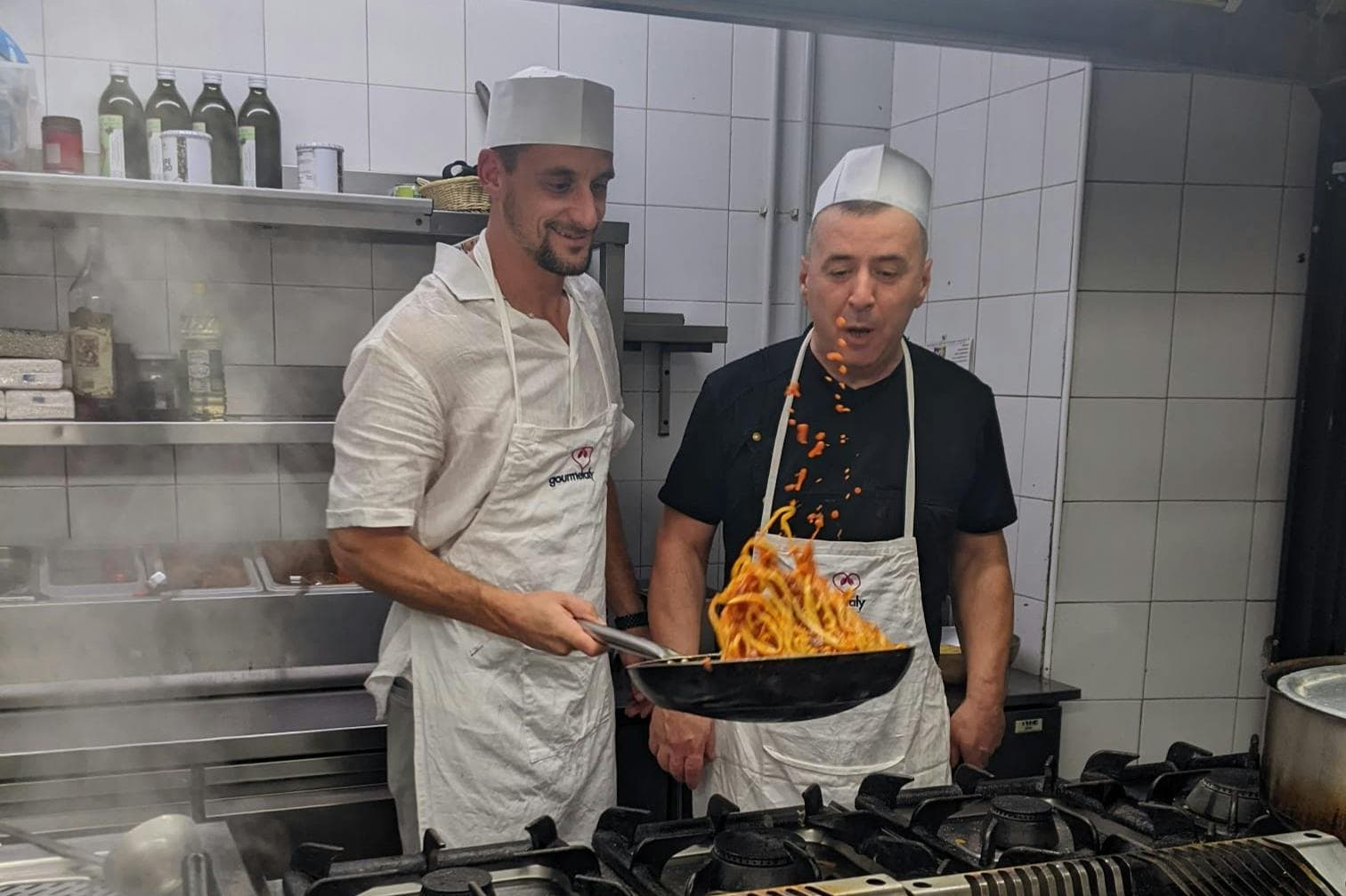
Pasta Amatriciana & Cacio e Pepe
About 3 hours near the Jewish Ghetto: two Roman sauces, fritto tasting, dessert, water and wine.
from €97
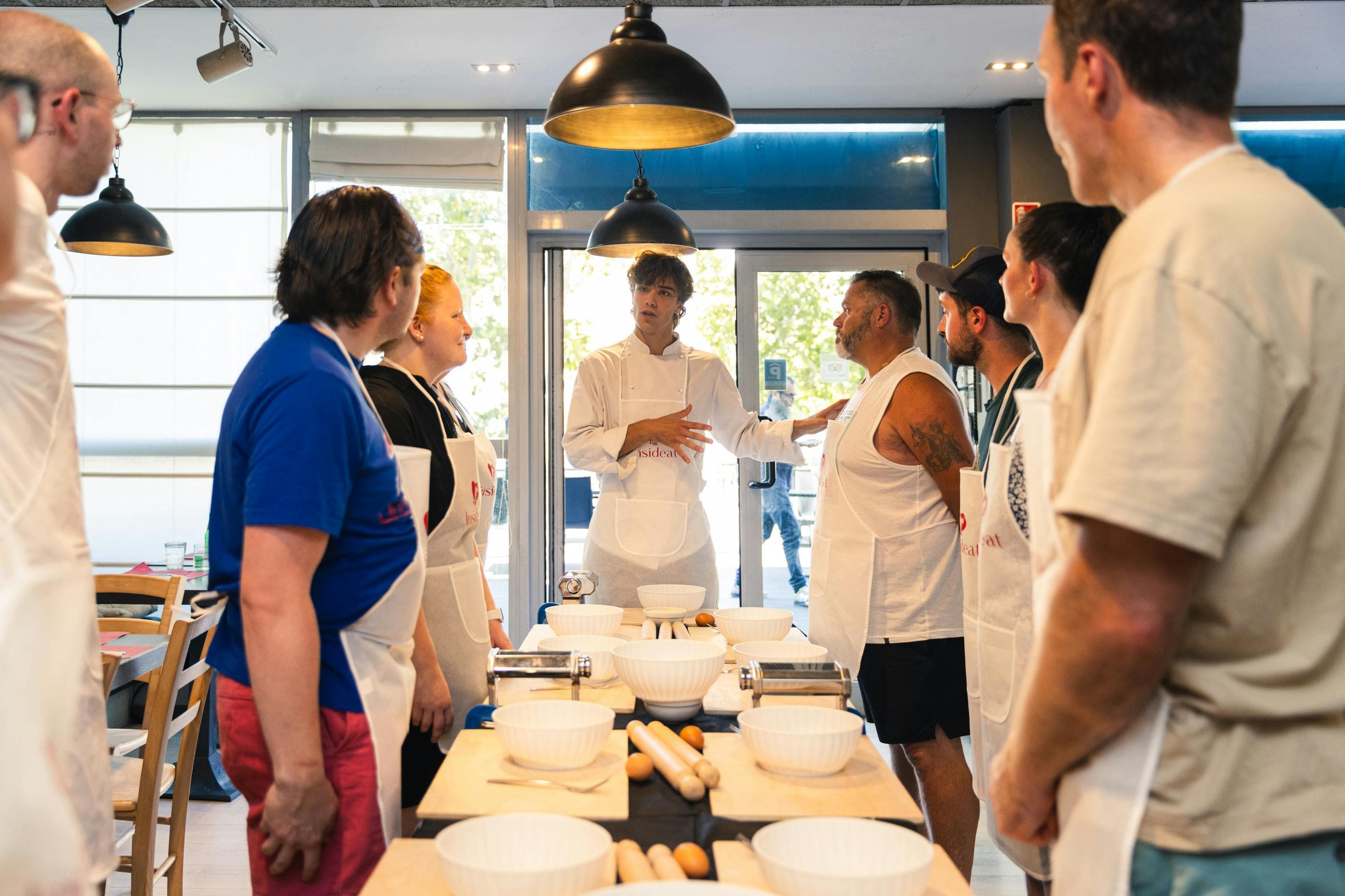
Pasta, ravioli & tiramisù
Hands-on class for fresh pasta, ravioli, and tiramisù, then a sit-down meal with drinks.
from €72
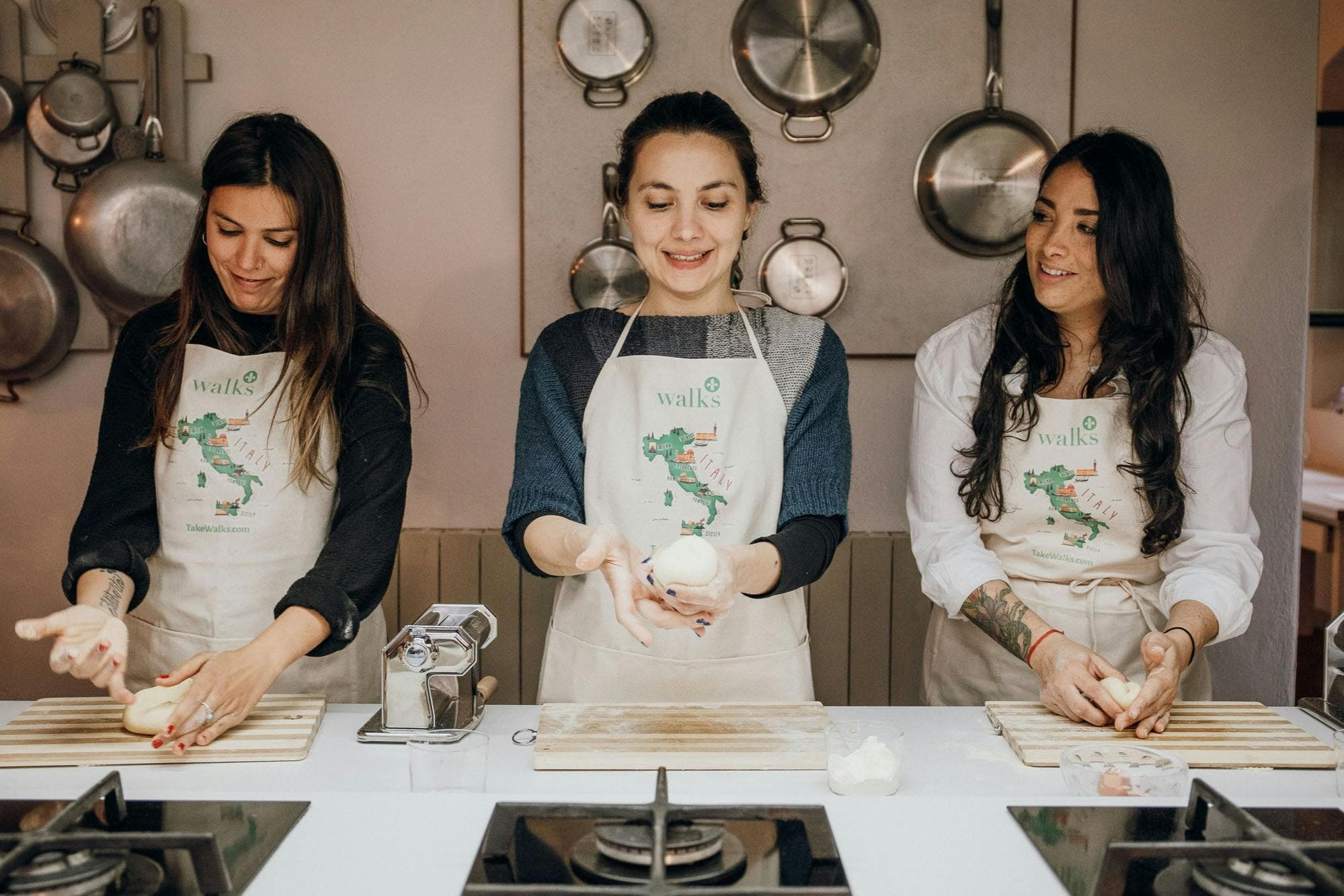
Pasta-making in Trastevere + drinks
Trastevere session with aperitivo, two homemade pastas, sauces, wine, and gelato.
from €47
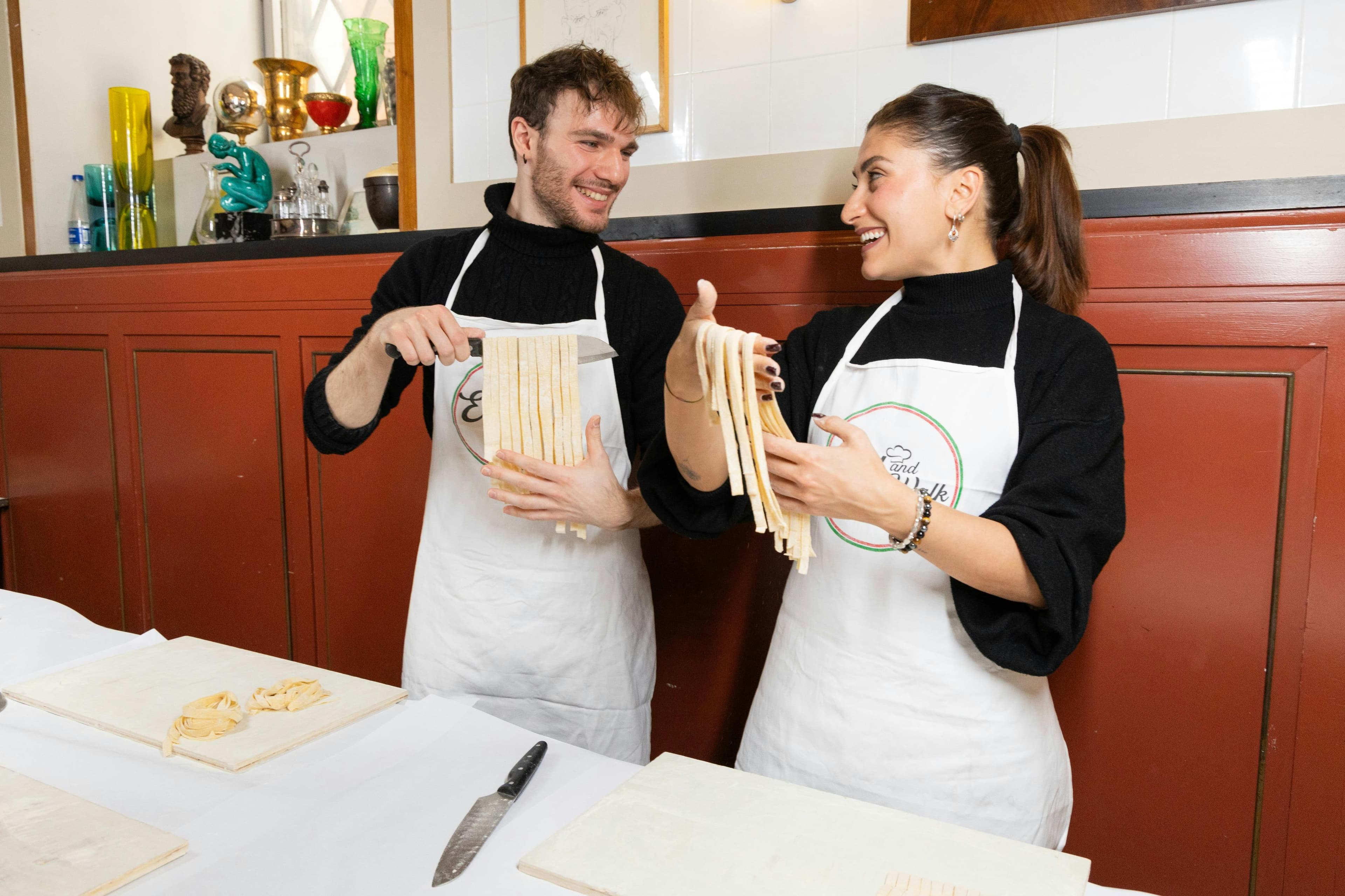
Pasta and tiramisu workshop
Fettuccine plus tiramisù with a glass of wine or a soft drink — compact classic format.
from €59
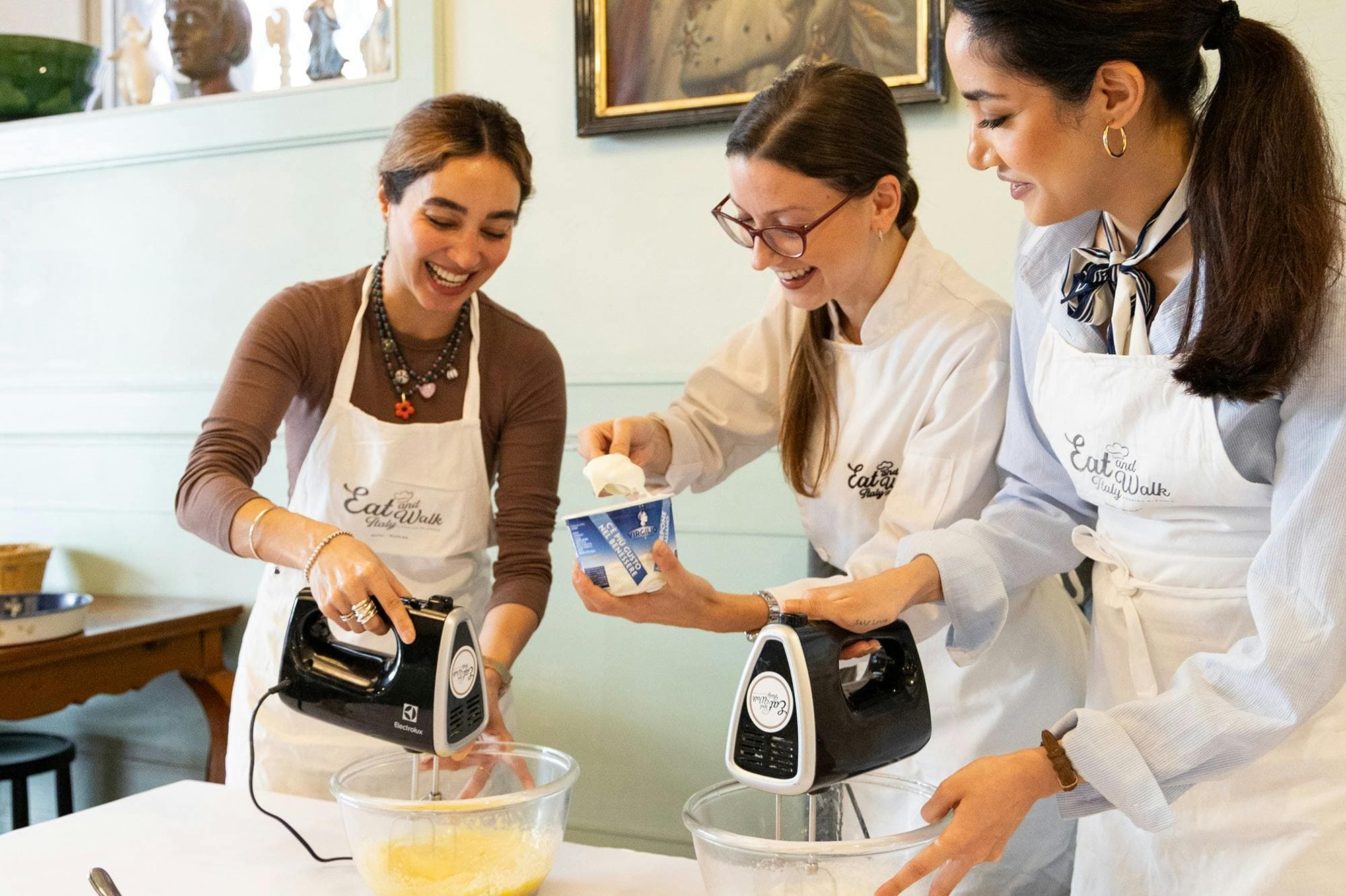
Ravioli, fettuccine & tiramisu
Fresh pasta shapes and tiramisù in one kitchen session, then eat what you made.
from €64
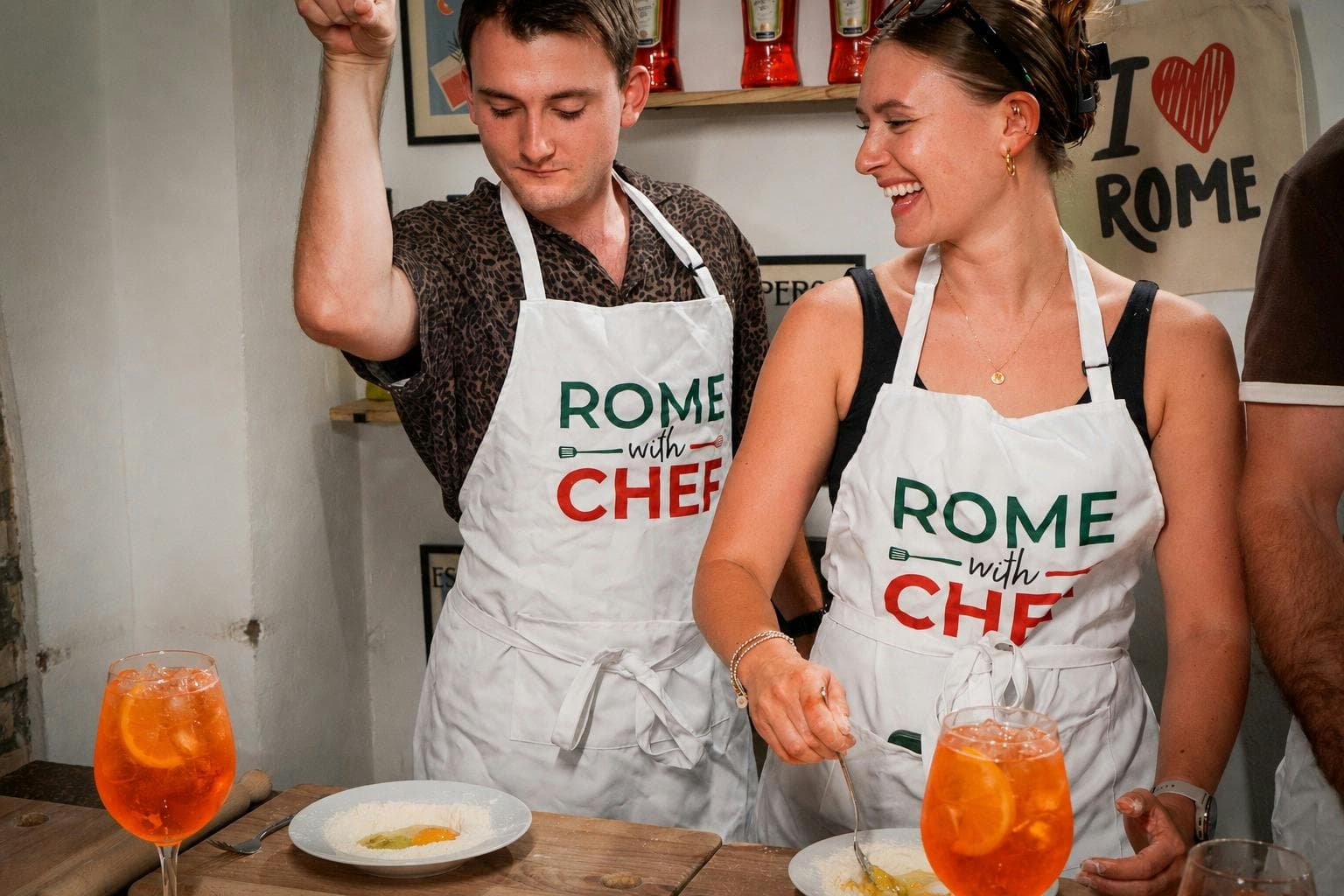
Spritz & spaghetti cooking class
Fresh pasta plus three cocktails — a lighter evening format than a full multi-course class.
from €74
Food and market tours
If you want Rome’s food scene without tying on an apron, these walks cover Campo de’ Fiori, the Jewish Ghetto, Trastevere, and street-food stops. One option pairs a market shop with dinner in a local home. You eat, ask questions, and move — no kitchen session required.
- –Neighbourhood food walks: Trastevere, Campo de’ Fiori, and the Jewish Ghetto come up often
- –Street-food formats (suppli, pizza al taglio) if you want something lighter than a sit-down class
- –Market-plus-home-dining for a more private, seasonal meal after shopping
- –Usually 2–3 hours of walking and tasting; check each listing for pace and dietary notes
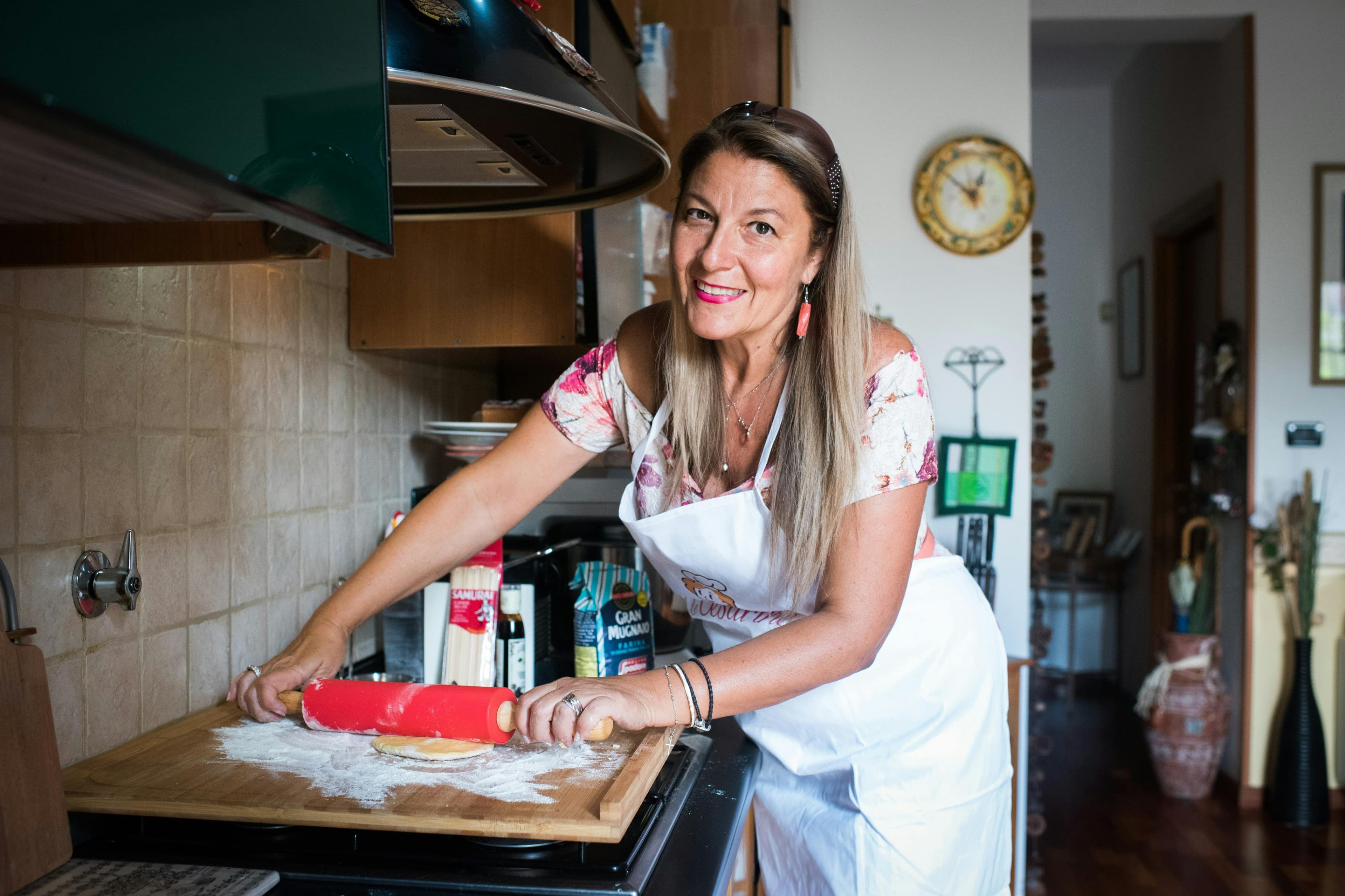
Market tour + dinner at a local’s home
Shop a Rome market with your host, then cook and eat together at home (small groups).
from €189
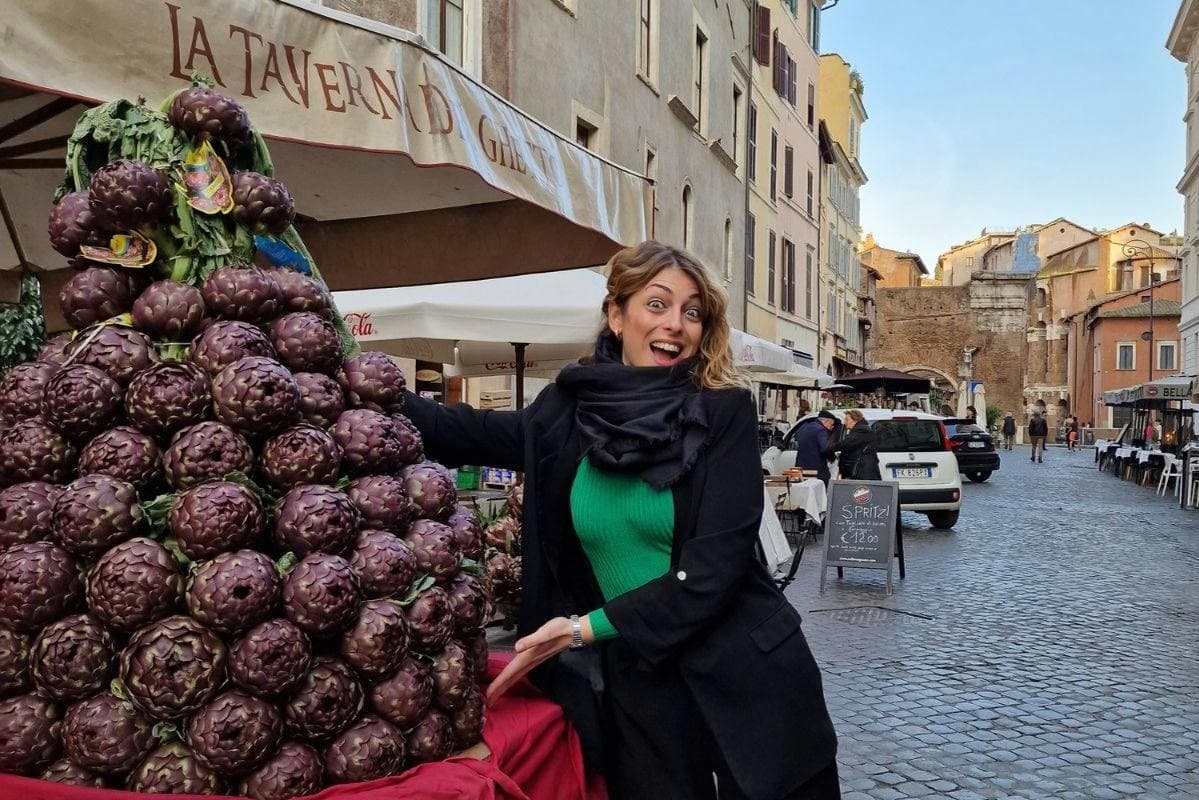
Campo de’ Fiori, Jewish Ghetto & Trastevere
Guided food walk across three classic neighbourhoods with tastings along the way.
from €110
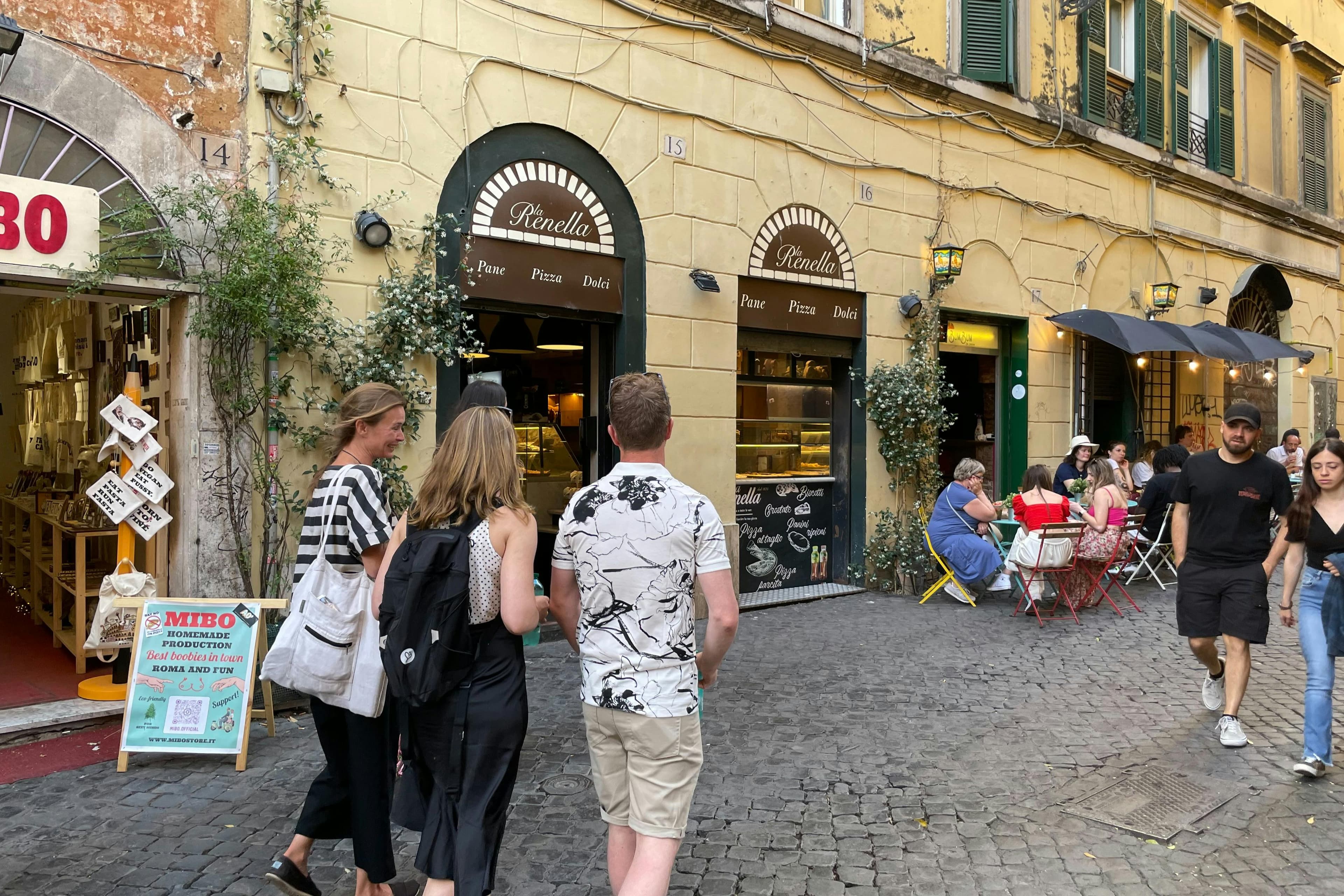
Trastevere & Jewish Ghetto tastings
Food-focused guided tour through Trastevere and the Jewish Ghetto with tastings.
from €100
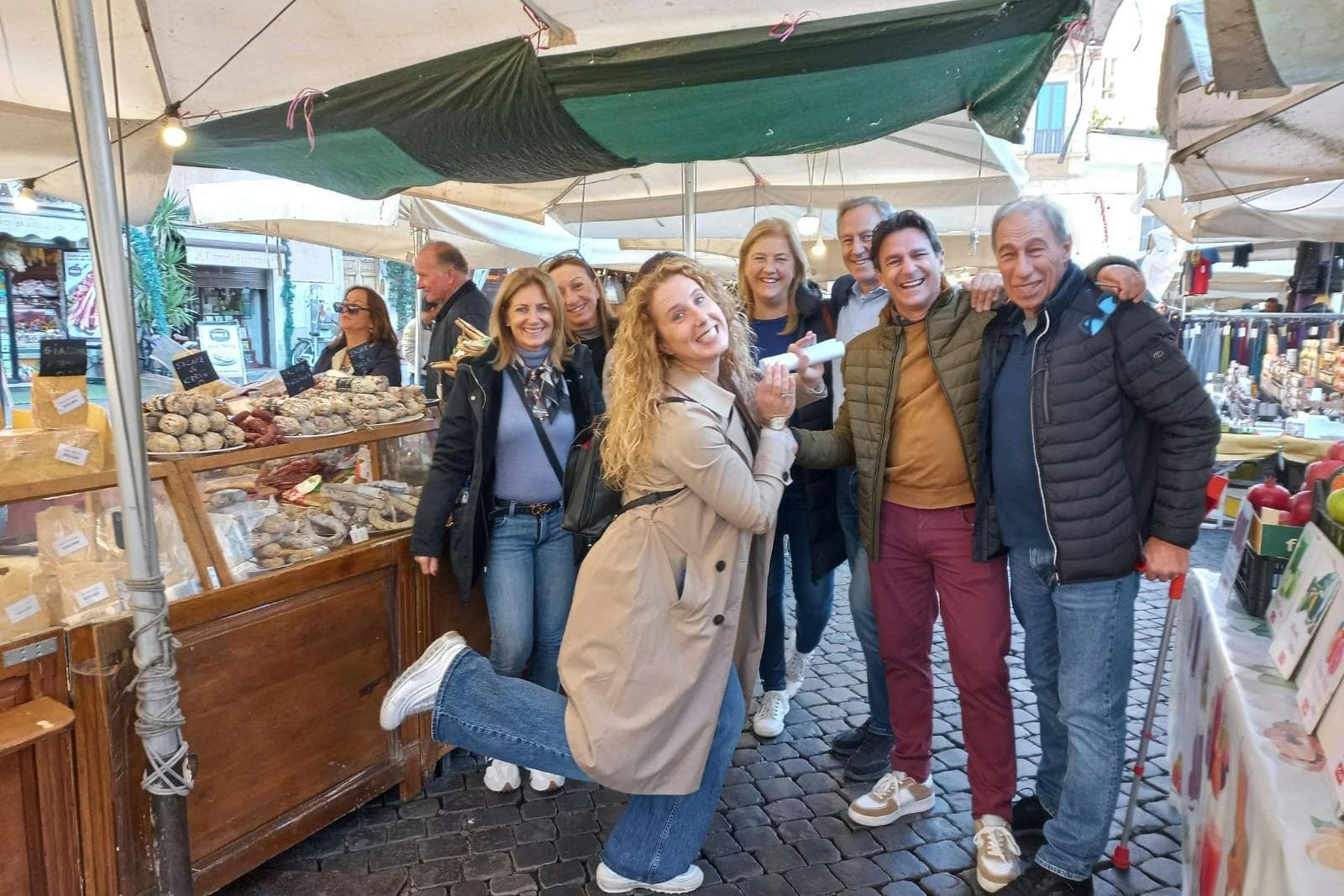
Trastevere food tour + tastings
Trastevere walking food tour with multiple tastings — good evening alternative to a kitchen class.
from €52
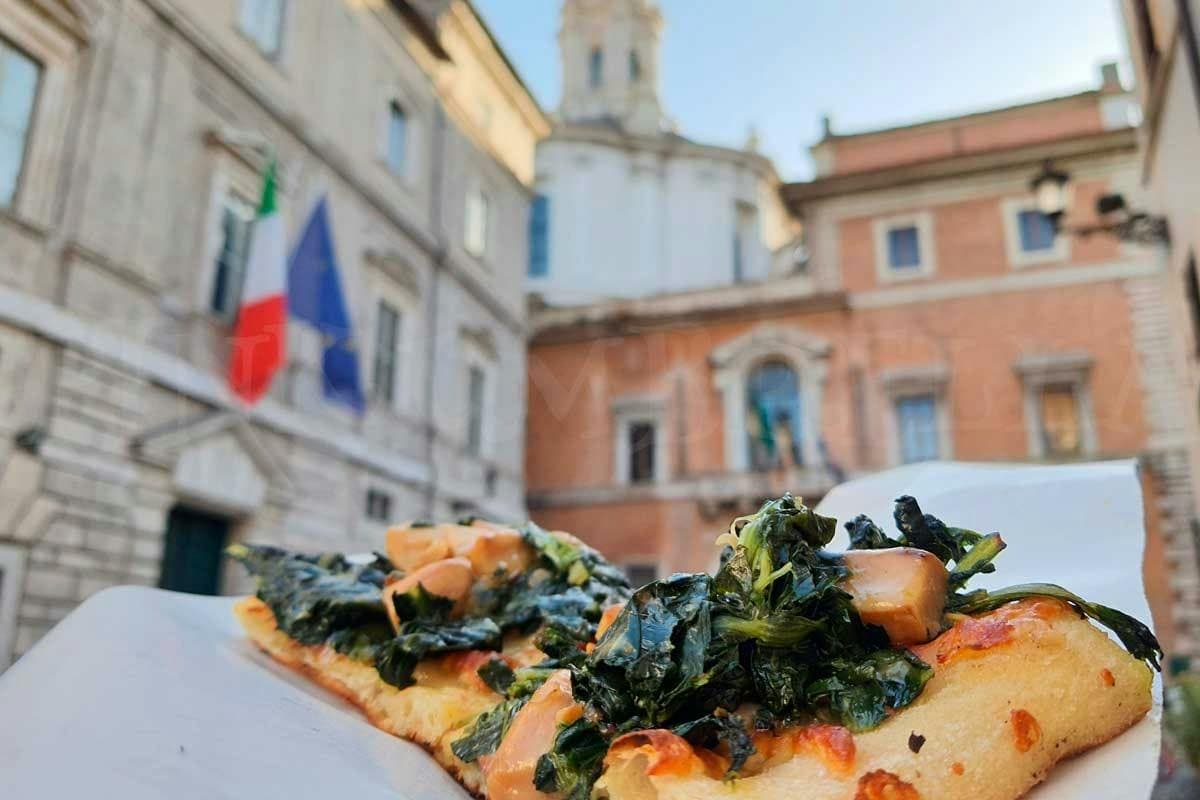
Guided street food tour
Suppli, pizza al taglio, and other Roman street food with a local guide.
from €45
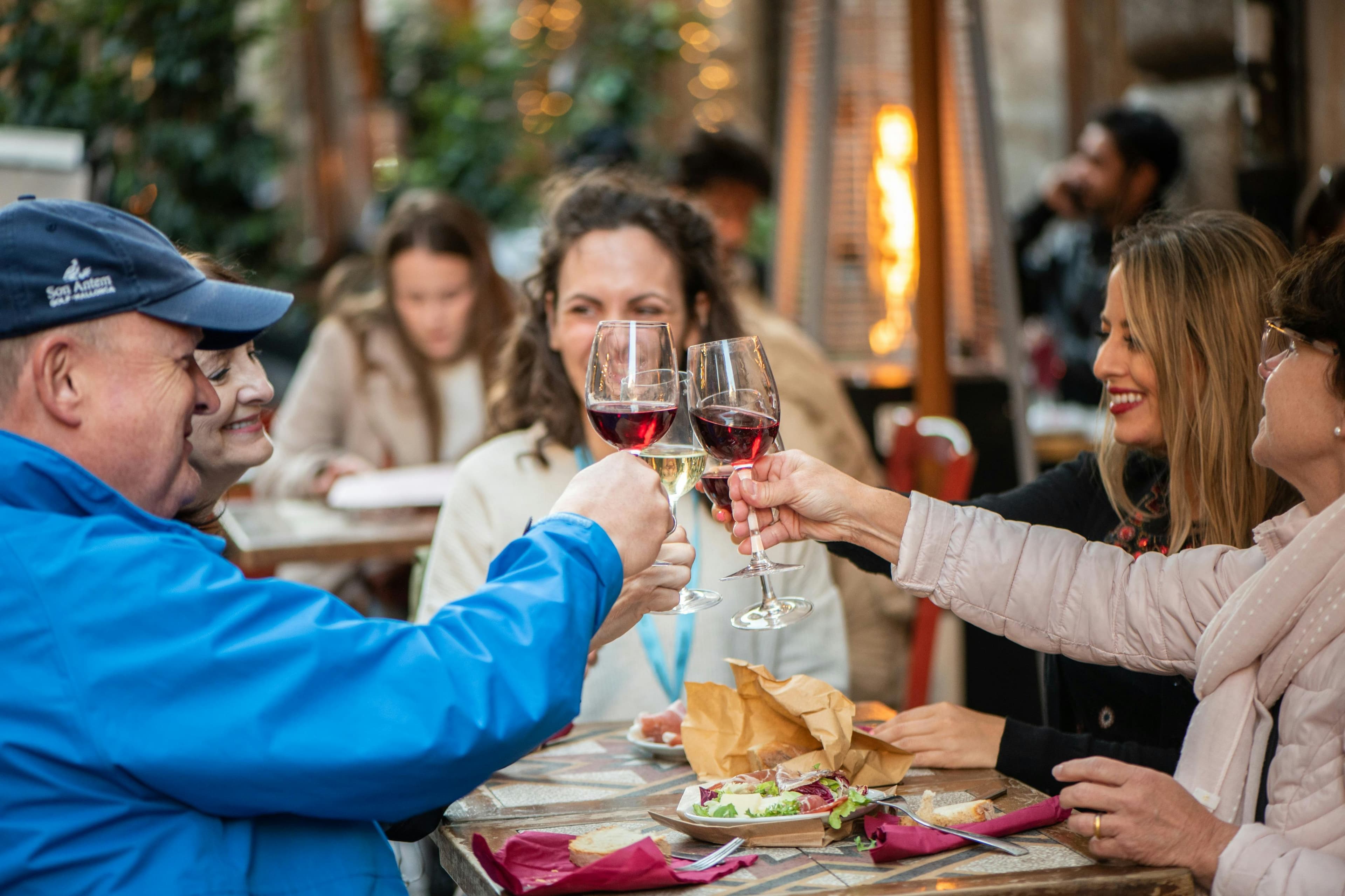
Trastevere & Campo de’ Fiori food tour
Guided tastings across two of Rome’s strongest food neighbourhoods.
from €84
Frequently asked questions
How much does a cooking class in Rome cost?
Shared pasta classes on Tiqets often start around €55 per person; some workshops and add-on drinks packages run higher. Food walks and street-food tours are frequently in a similar band or a bit lower. Exact prices change by date and group size — use the live listings on this page. Private or home-dining formats cost more than a shared kitchen class.
Are cooking classes in Rome worth it?
Yes, if you pick a hands-on format. The ones worth doing put you at the counter from the first minute, keep groups small enough that you actually cook, and teach technique you can repeat at home — how cacio e pepe emulsifies, why pasta water matters, what guanciale does that pancetta does not. Avoid hotel demos where you mostly watch. Food tours are worth it when you want neighbourhood context and tastings without a full kitchen session.
What do you cook in a Rome cooking class?
Fresh pasta is the backbone of most classes we list: fettuccine, ravioli, or spaghetti-style dough depending on the operator. Roman sauces — cacio e pepe, amatriciana, and related classics — show up often. Many sessions add tiramisù; some include aperitivo, wine, cocktails, fritto, or gelato. Always read the inclusions on the Tiqets page for the specific class.
How long is a cooking class in Rome?
Most kitchen classes we feature run about three hours including eating what you made. Evening starts (late afternoon into dinner) are common. Food and market tours are usually shorter walking formats — often around two to three hours. Build buffer for finding the meeting point; cancellations are set by each operator on Tiqets (often 24–48 hours).
Where do these classes and food tours meet?
The listings on this page are concentrated in Trastevere, Campo de’ Fiori, the Jewish Ghetto, and nearby historic-centre spots — check each Tiqets page for the exact pin. Separately, Testaccio remains one of Rome’s best neighbourhoods if you specifically want a working-market morning; that format is excellent, but it is not what most of the pinned kitchen classes here use as a meeting point.